

When designing modern airport terminals, architects and engineers face significant challenges, including structural integrity, aesthetic appeal, and cost efficiency. Users—such as airport planners and government officials—often struggle with finding roofing solutions that not only meet stringent safety standards but also provide operational efficiencies. Space frame technology, known for its lightweight yet robust design, solidly addresses these pain points. With the right knowledge and resources, you can choose a Steel Structure Airport Terminal roof that enhances durability, reduces maintenance costs, and improves energy efficiency, ultimately transforming passenger experiences.
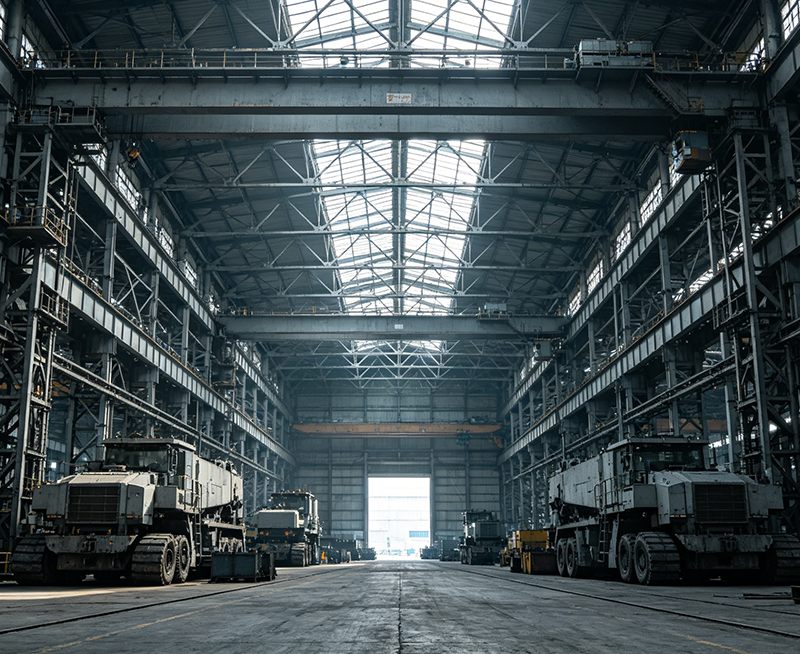
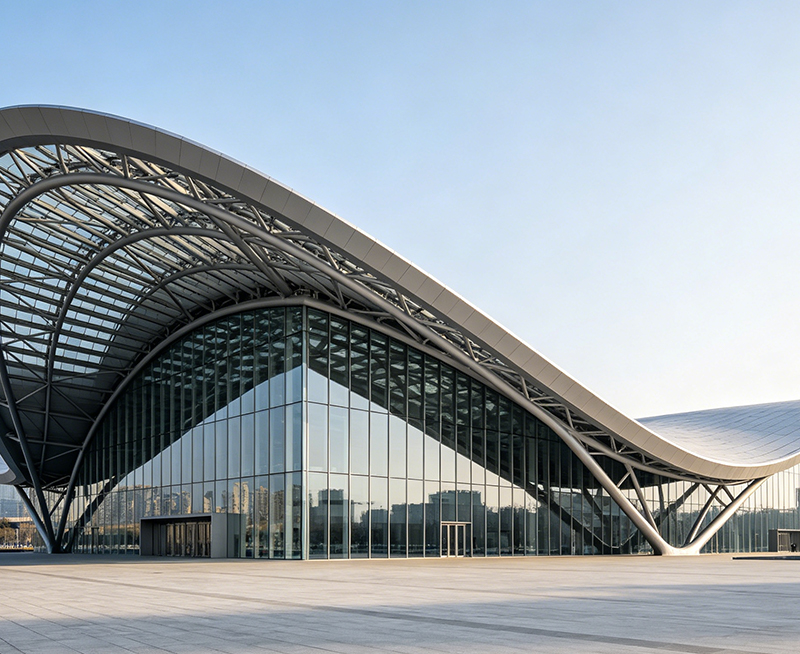
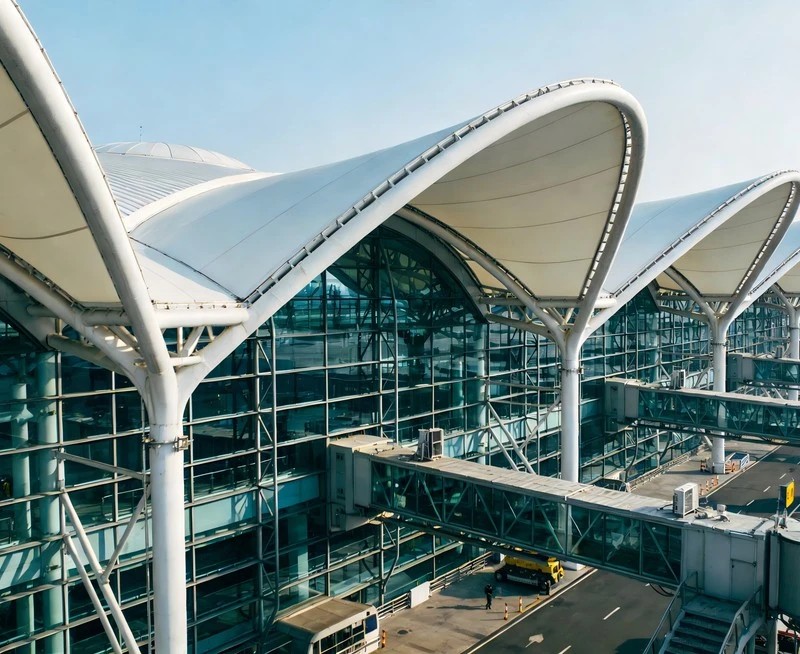
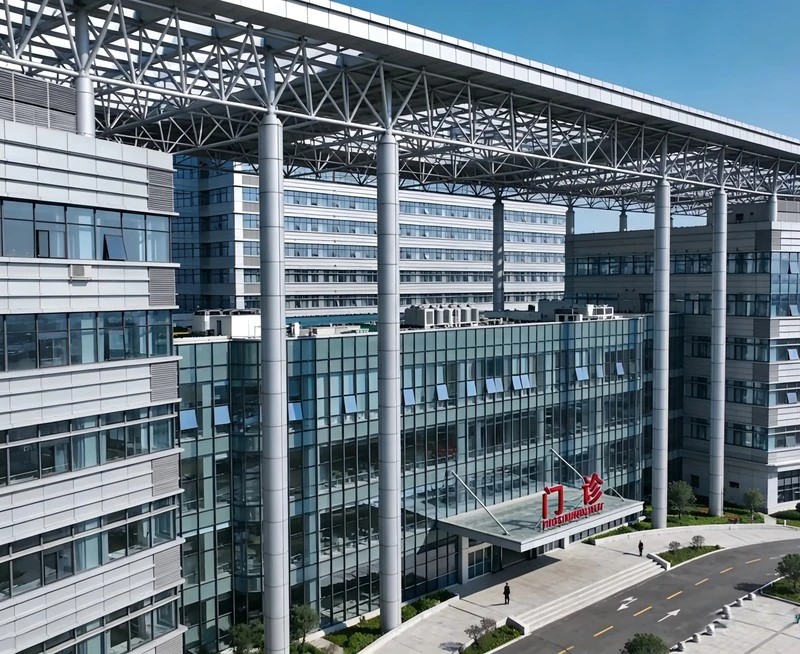
Space frame technology involves a three-dimensional framework made up of interconnected structural elements, usually composed of steel. This innovation allows for large spans without the need for additional support. According to the Jin'an Group, space frame systems can cover areas ranging from 50 meters to over 200 meters without requiring intermediate columns. In a case study from Beijing Capital International Airport, a space frame roof enabled the terminal to utilize over 100,000 square meters of its interior space efficiently, translating to a 25% increase in usable terminal space.
Before embarking on the installation of a space frame airport terminal roof, consider the following preparations:
Several common pitfalls can arise when implementing space frame technology:
Space frame technology has profoundly enhanced the way we approach airport terminal roofing systems. With its ability to create wide spans and minimize material usage while maximizing strength, the adoption of space frame structures can lead to a 30% reduction in overall construction time and a significant decrease in maintenance costs of up to 40%. Partnering with experienced companies like Jin'an Group can streamline the design and implementation process, ensuring compliance with international standards and resilience against time and environmental challenges.
Space frames are lightweight, durable, and capable of spanning large areas without internal supports. This not only allows for versatile design options but also enhances the functionality of terminal space.
Thorough studies indicate that maintenance costs can drop by approximately 40%, largely due to the durability of the materials used in space frame technology.
While space frame technology is incredibly versatile, its feasibility may depend on specific site conditions and local building codes. Consulting with professionals early in the design process is critical.
منتجات ذات صلة