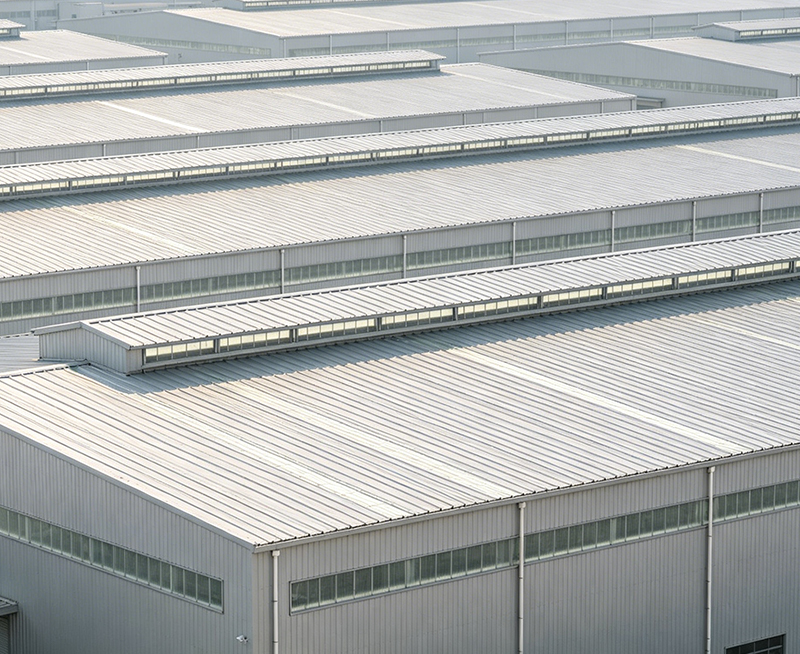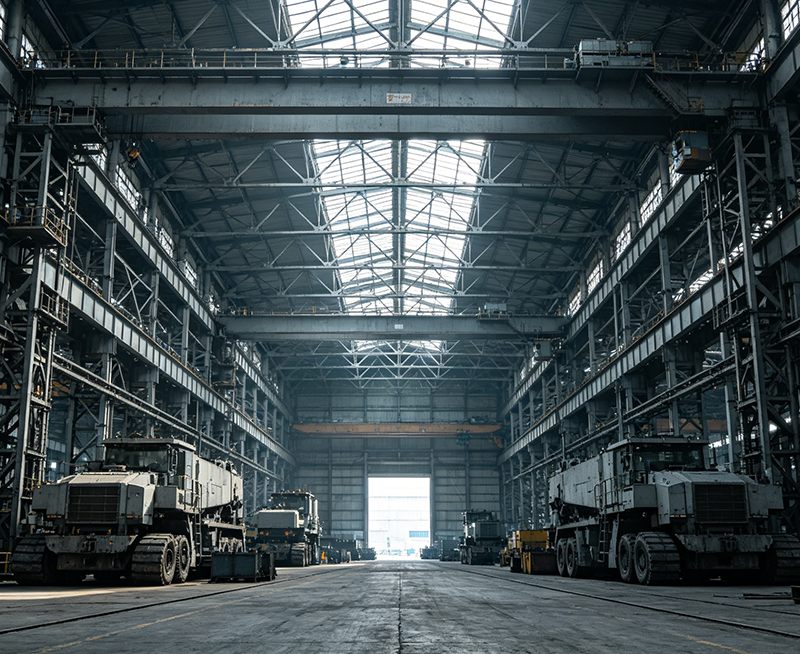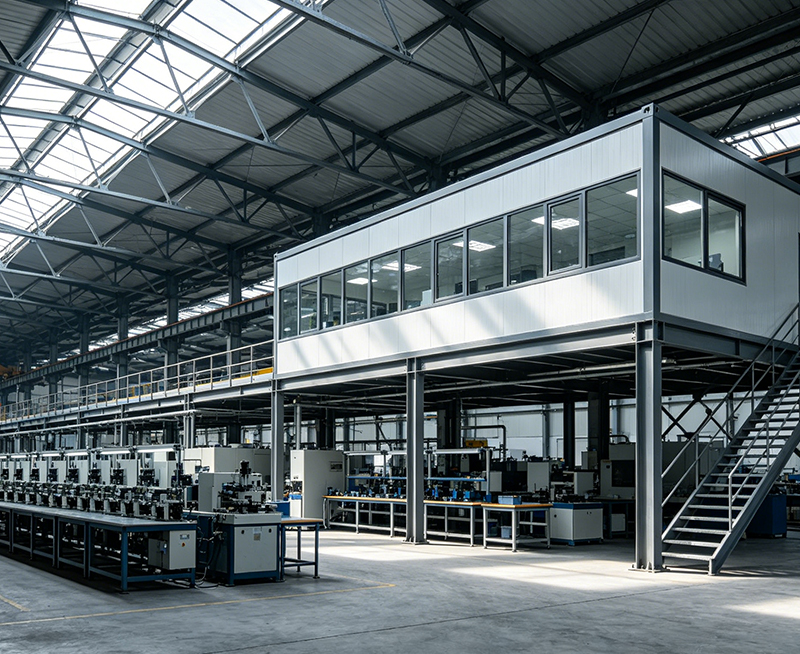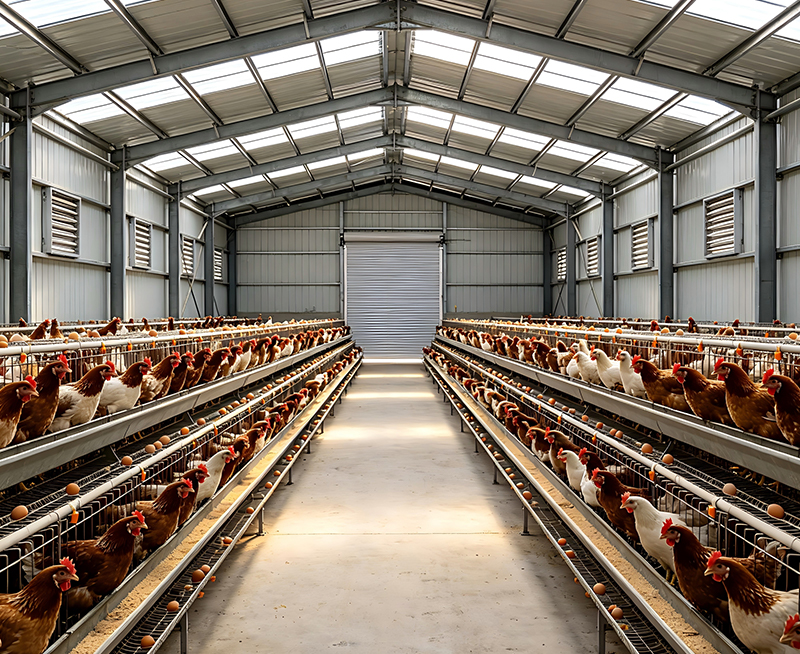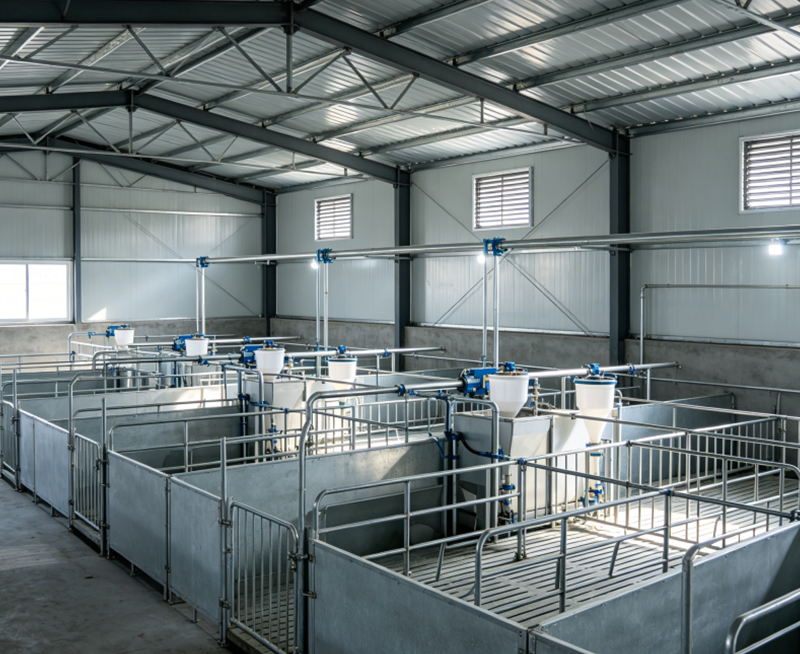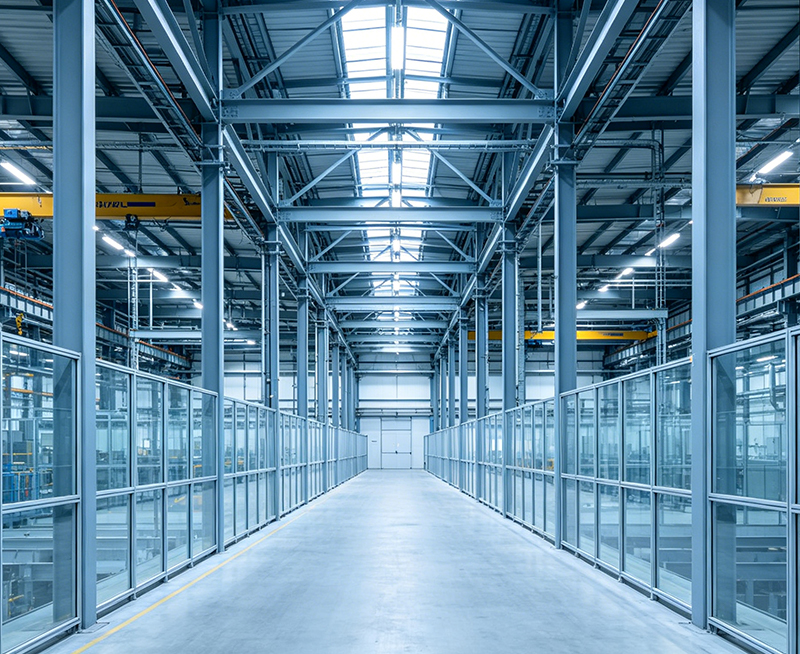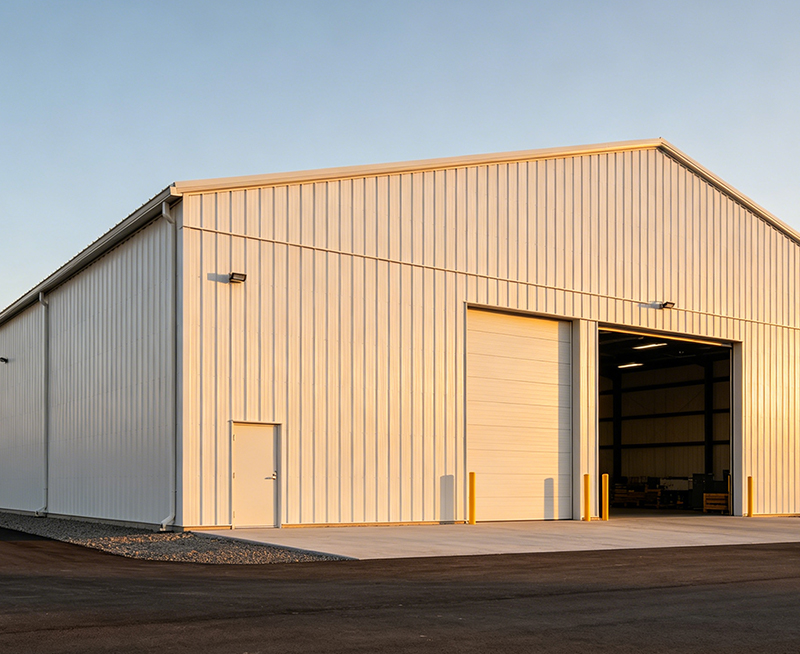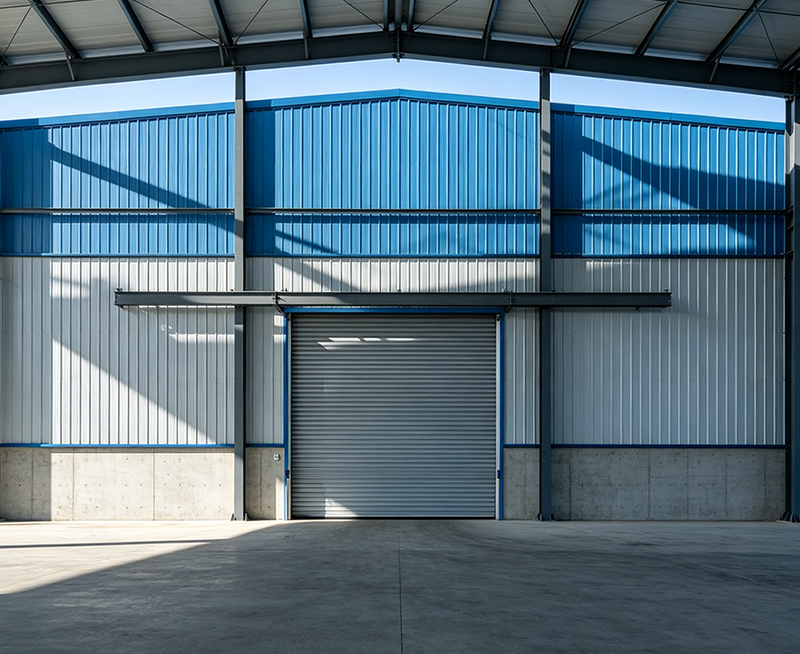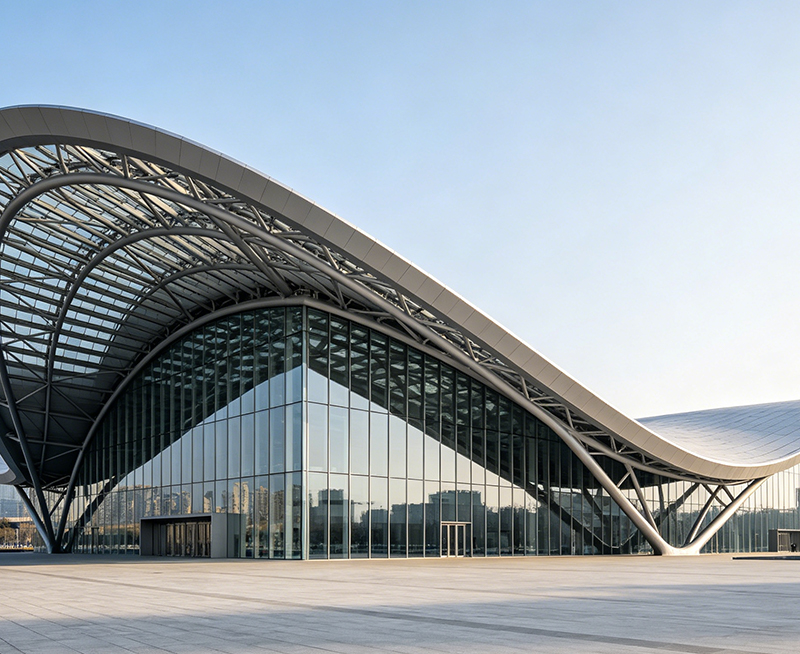


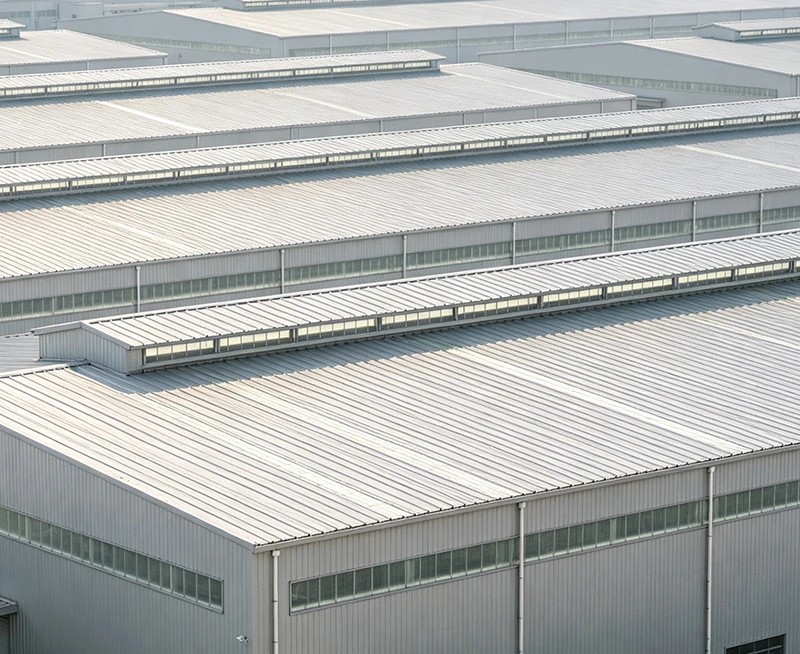
When discussing steel warehouse buildings, insulation is a critical factor impacting energy efficiency and operational costs. Insulation, defined as the material used to reduce heat transfer between the inside and outside environments, plays a pivotal role in maintaining optimal internal temperatures. For businesses, using the right insulation can lead to significant savings on heating and cooling costs, improved comfort for employees, and enhanced overall building performance. Steel Structure Warehouse Buildings, like those developed by Jin'an Group, require specific insulation strategies tailored to their unique demands.
Historically, the evolution of insulation materials parallels advancements in building technology. Initially, materials such as straw and wood were commonplace. With the industrial revolution, synthetic options like fiberglass and foam emerged, driven by the need for greater thermal efficiency in commercial buildings. Today, insulation in steel warehouse structures must meet stringent standards such as those set by ASTM, ensuring they not only retain energy but also comply with fire safety regulations and environmental considerations.
In practical applications, insulation serves several key functions beyond just temperature control. Insulation improves the acoustic qualities of large spaces, providing a quieter working environment. Moreover, the right insulation helps mitigate condensation issues, protecting stored goods and equipment from moisture damage. Businesses utilizing proper insulation techniques report energy savings of up to 30%, illustrating its significance in making industrial spaces more sustainable and cost-effective.
Despite its importance, misunderstandings about insulation options remain prevalent. Many believe that thicker insulation is always better; however, optimal insulation depends on various factors such as climate, building design, and specific operational needs. Additionally, some may overlook the importance of professional installation, leading to gaps and thermal bridges that compromise performance. This misunderstanding often results in inefficiencies that can negate the benefits of high-quality materials.
For instance, consider a case study involving a warehouse designed by Jin'an Group in a temperate climate. The facility employed spray foam insulation, which expanded to fill gaps and provided superior thermal resistance compared to traditional fiberglass. This choice resulted in a 25% reduction in energy costs during peak seasons, demonstrating that informed decisions can enhance operational efficiency.
To summarize, understanding the insulation options available for steel warehouse buildings is essential for business owners aiming to optimize their facilities. Effective insulation not only enhances temperature control and reduces energy costs but also improves comfort and protects valuable goods. By debunking common misconceptions and focusing on tailored solutions, businesses can significantly enhance their warehouse operations. Explore more about building dynamics and insulation technologies with experts like Jin'an Group, and take actionable steps toward improving your steel structure warehouse buildings today.



منتجات ذات صلة