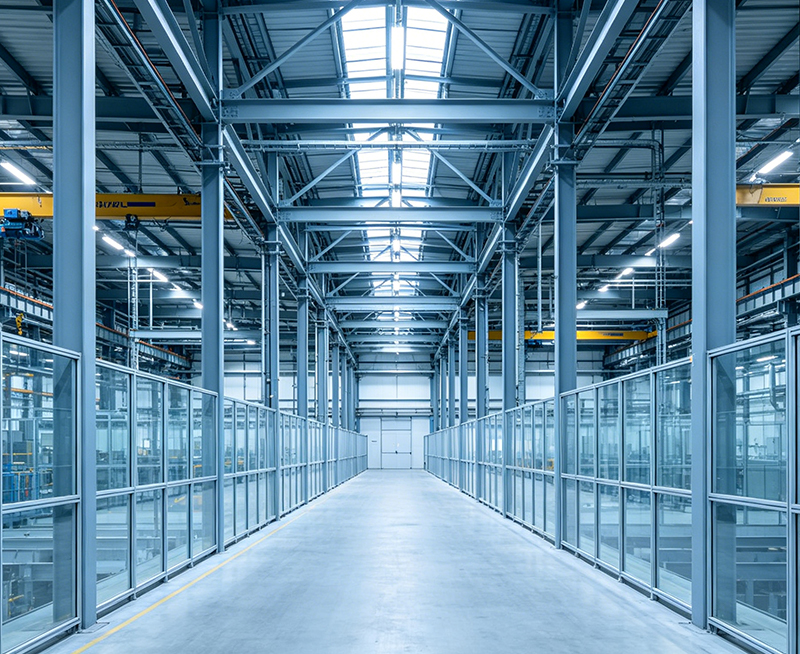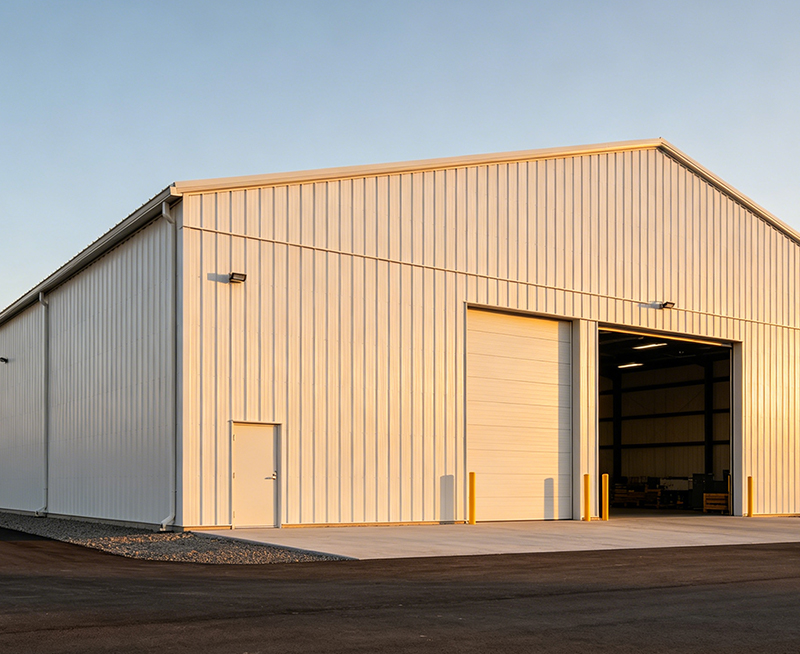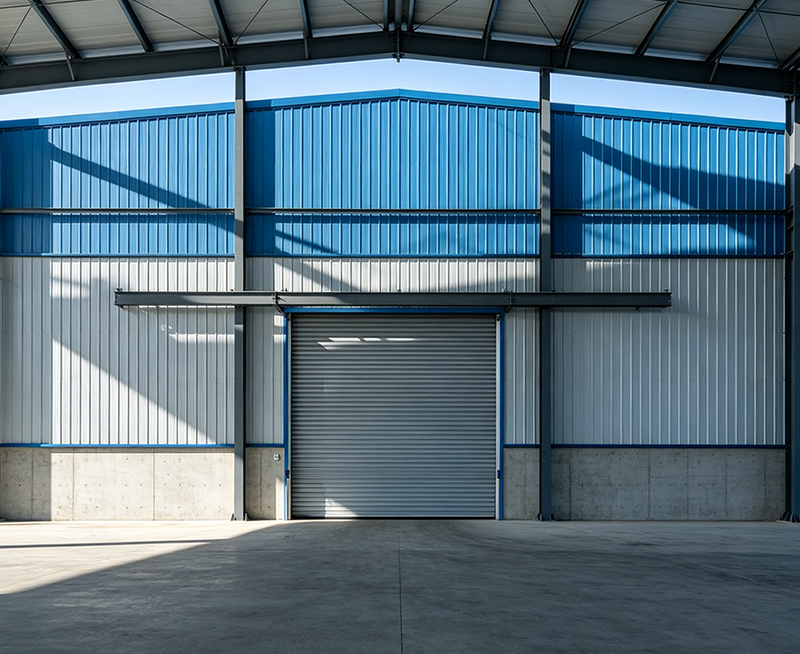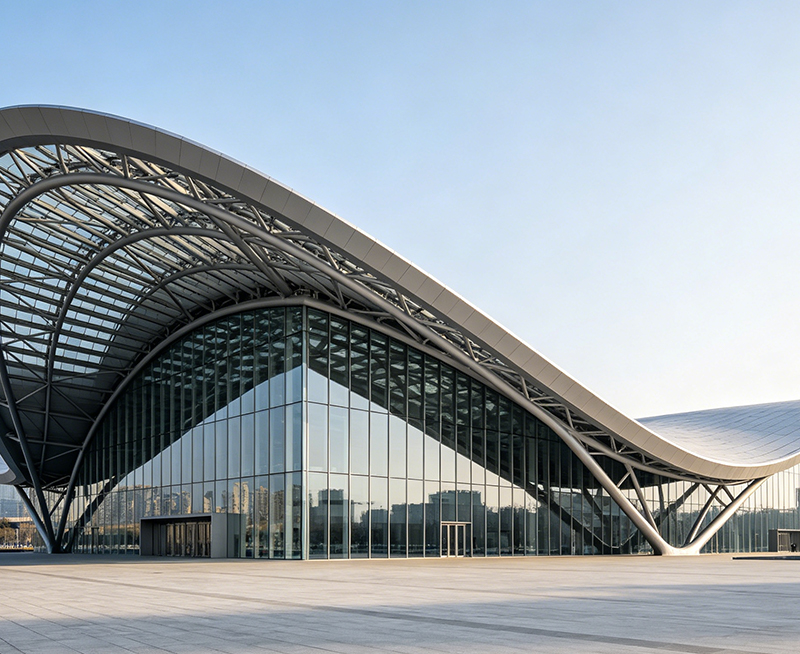


When it comes to the structural integrity of steel buildings, annual inspections are critical. These evaluations are designed to identify potential issues and ensure the longevity and safety of the structure. By evaluating key inspection points in steel buildings, businesses can protect their investments, enhance safety, and maintain compliance with industry standards. Adopting a proactive inspection regime is invaluable for any organization, particularly in industries reliant on robust, steel-based infrastructures.
Steel buildings have evolved significantly since their introduction in the late 19th century, becoming a staple in commercial and industrial frameworks. Initially considered innovative for their strength and durability, their resilience has made them a popular choice in various sectors, from manufacturing to warehousing. With the capacity to withstand harsh weather conditions and seismic activities, steel buildings are a practical choice for long-term investments. However, without proper annual inspections to identify deterioration or structural flaws, their benefits can quickly diminish.
Annual inspections play a pivotal role in maintaining the functionality and safety of steel structures. They encompass a range of inspection points, including the evaluation of connections, joints, and load-bearing components. Conducting these inspections on a regular basis ensures that any potential weaknesses, such as rust or material fatigue, are addressed promptly. This preventative maintenance also mitigates risks related to downtime and safety hazards, ultimately preserving both the financial and operational aspects of a business.
Despite the apparent need for annual inspections of steel buildings, several misconceptions often arise. One common error is the belief that if a building appears visually sound, it is structurally intact. Unfortunately, superficial assessments can overlook critical issues hidden from plain sight. Moreover, some entities may underestimate the importance of adhering to established testing standards, such as ASTM E1512 and DIN 18800, which provide comprehensive guidelines for evaluating steel structures. Familiarizing yourself with these standards can significantly enhance the credibility and effectiveness of your inspection process.
To illustrate the importance of these inspections, consider the case of a manufacturing facility that experienced significant downtimes due to undetected corrosion in its steel beams. The facility had overlooked its annual inspections, resulting in costly repairs extending into thousands of dollars and disrupting operations for weeks. By adopting a routine yearly inspection procedure, facilities can avoid these complications and minimize the long-term costs of maintenance.
The essential points to remember when considering what inspection points should be checked annually on steel buildings include:
In summary, annual inspections of steel buildings are non-negotiable for ensuring the structural integrity, safety, and longevity of these essential structures. By addressing critical inspection points and adhering to industry standards, businesses can safeguard their investments. For those looking to delve deeper, partnering with a trusted provider like Jin'an Group can enhance your inspection processes. Explore more insights about What Inspection Points Should Be Checked Annually on Steel Buildings at Steel Structure Solutions or visit our website for additional resources: Jin'an Group.



منتجات ذات صلة