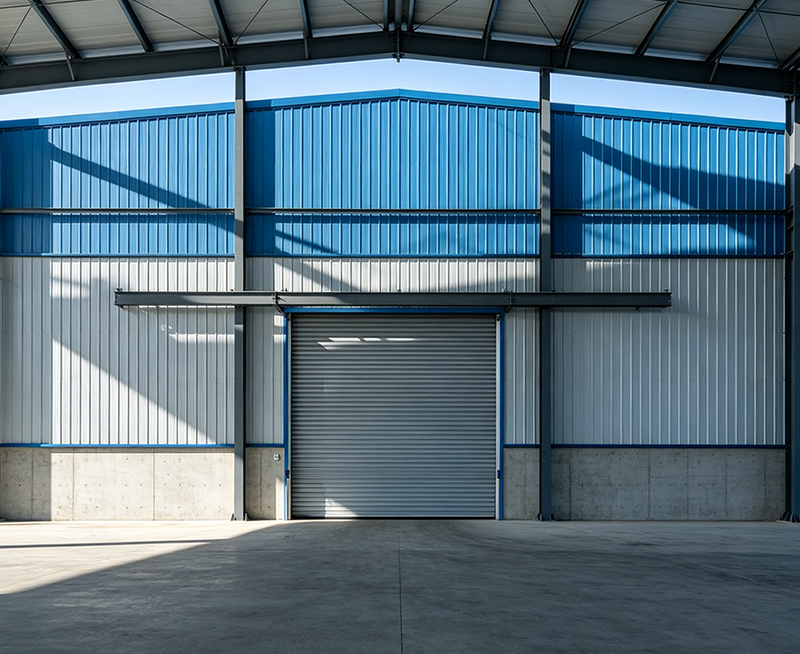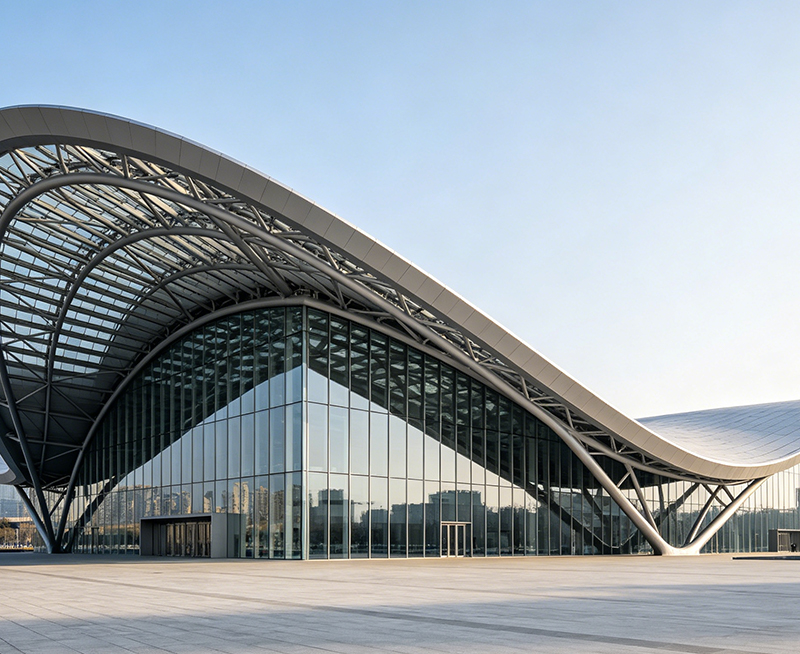


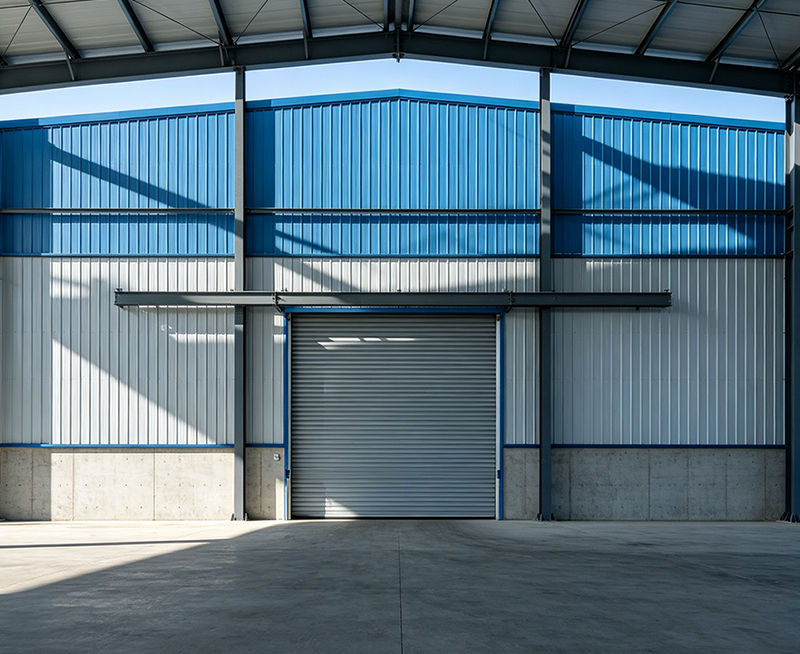
In recent years, the construction of Hospital Steel Buildings has gained traction due to the urgent need for healthcare facilities that can be erected quickly and withstand various challenges. With the healthcare sector evolving rapidly, these buildings not only facilitate fast construction but also address significant pain points faced by hospitals. Among these are the growing demand for additional space, increased patient loads, and the challenge of ensuring specialized environments within healthcare settings. This article will explore the significance of hospital steel buildings, their applications, advantages, and address the HVAC integration challenges they face.
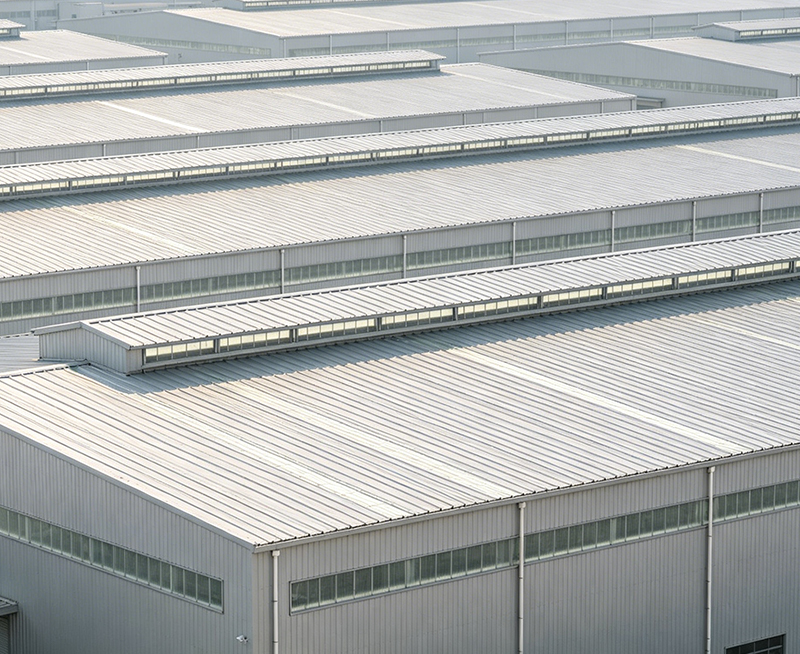
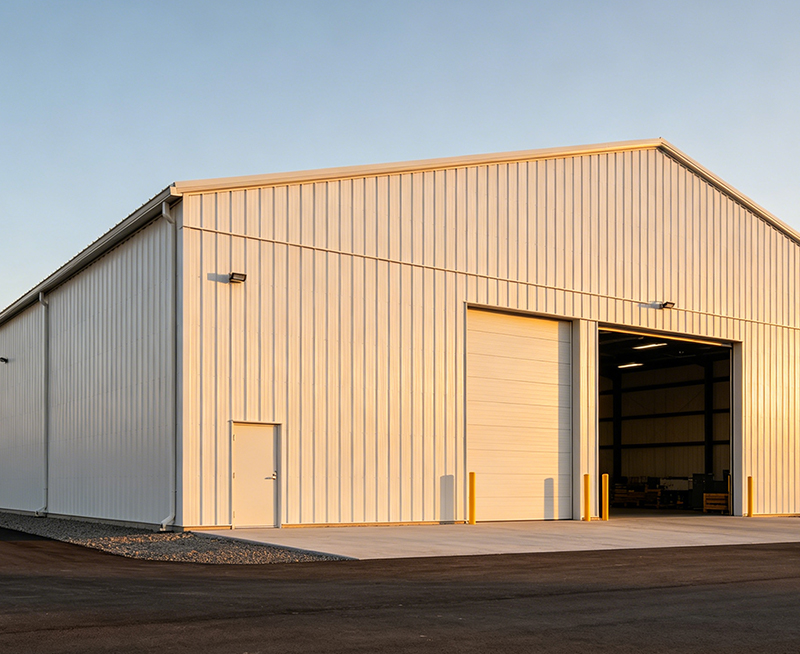
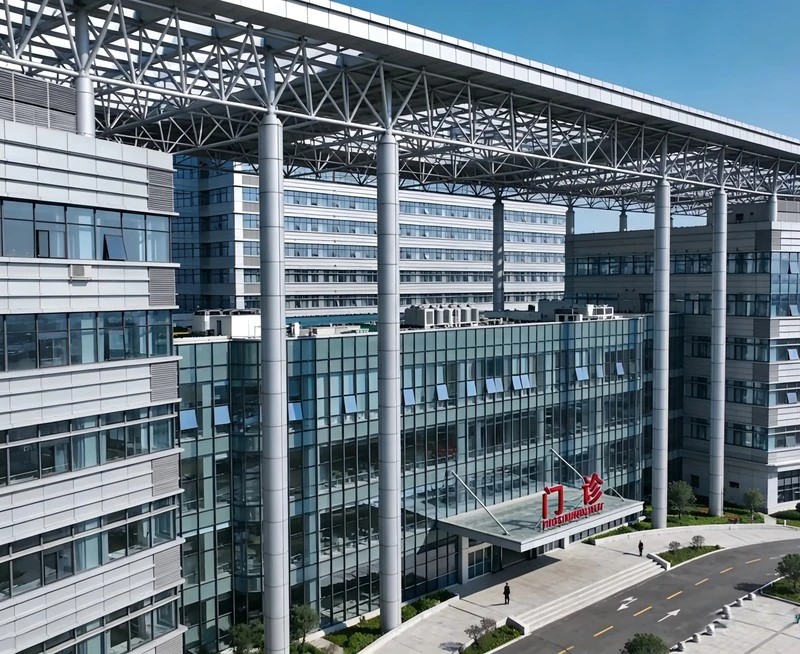
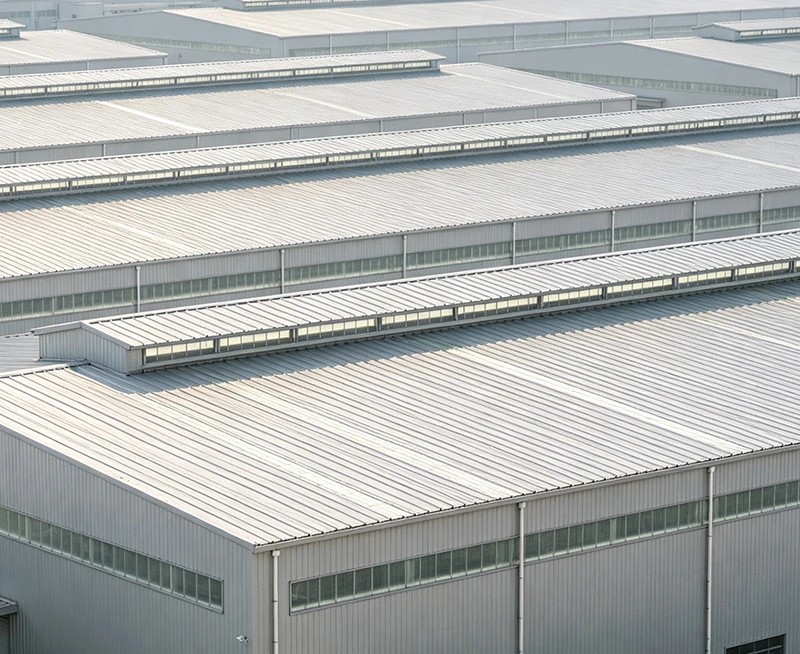
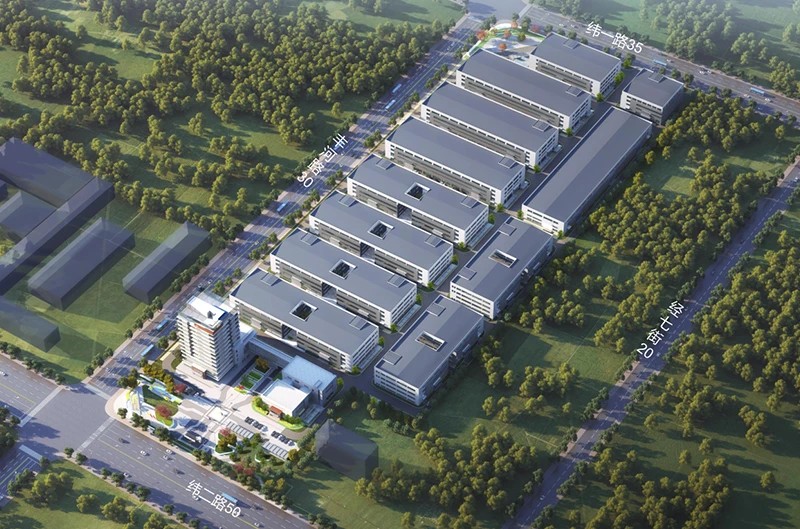
 An example of a modern hospital steel building that highlights aesthetic appeal while focusing on structural integrity.
Hospital steel buildings are pre-engineered structures specifically designed for healthcare facilities. Fabricated from steel, these buildings can be constructed to meet the stringent requirements set forth by healthcare organizations. The use of steel as a primary material means that hospitals can reduce construction times, as steel frames allow for faster assembly and less onsite labor compared to traditional brick and mortar. Industry estimates indicate that steel buildings can be erected in 50% less time than conventional building methods, enabling hospitals to address capacity shortages almost immediately.
Hospital steel buildings are particularly effective in scenarios where quick deployment is essential. These scenarios include:
The advantages of hospital steel buildings go beyond mere construction speed. Here are some critical benefits:
Integrating effective HVAC systems in hospital steel buildings presents unique challenges. The space and layout of steel frameworks must accommodate complex ductwork and ventilation systems required to support various medical functions. Proper planning is essential to deliver:
Understanding these challenges from both engineering and healthcare perspectives is crucial for the successful operation of hospital steel buildings.
For healthcare administrators or contractors considering hospital steel buildings, we recommend:
1. How quickly can a hospital steel building be constructed?
Hospital steel buildings can typically be constructed in 50% less time than conventional structures, depending on the design and needs.
2. Are hospital steel buildings energy efficient?
Yes, many modern designs integrate energy-efficient technologies that can reduce energy consumption by approximately 30%.
3. What are the maintenance requirements for a hospital steel building?
While steel structures are generally low maintenance, regular inspections and maintenance of HVAC systems are crucial to ensure optimal performance.
For further understanding and trial projects, consider partnering with Jin'an Group, a leader in the steel building construction industry, to leverage their expertise in healthcare facility design.
In conclusion, the emergence of hospital steel buildings represents a significant advancement in the construction sector, aimed at meeting the ever-evolving demands of healthcare providers. By understanding their application scenarios, advantages, and the associated HVAC challenges, stakeholders can make informed decisions that contribute to better healthcare outcomes.



منتجات ذات صلة