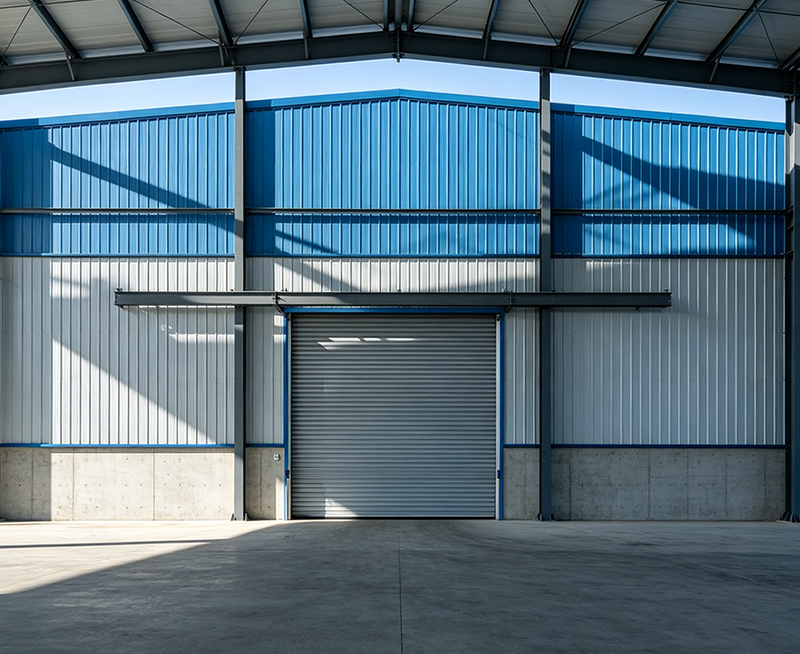


Understanding the nuances of importing prefabricated steel buildings is crucial for businesses looking to expand their operations or streamline construction processes. Importing these structures involves not just the logistics of engineering but also a meticulous array of documentation. The essence of this process lies in having the right documents that ensure compliance with various international regulations and standards, ultimately facilitating a smooth import operation. For businesses, especially those working with Steel Structure Solutions, this efficiency can lead to significant cost savings and improved project timeline adherence.
The concept of prefabricated steel buildings has its roots in early 20th-century engineering progress, where efficiency and durability became paramount for construction. Steel buildings gained popularity with the rise of industrial needs during and after World War II when quick assembly and structural integrity were essential. Today, businesses like Jin'an Group leverage advanced manufacturing techniques, adhering to rigorous standards such as ASTM and ISO, ensuring that their prefabricated structures meet the highest quality benchmarks.
In practical terms, importing prefabricated steel buildings allows businesses to minimize on-site construction time, reduce labor costs, and source materials that are engineered to precision—achieving tolerances as tight as 0.01mm in some cases. Furthermore, with a 100% inspection standard across products to ensure structural integrity, companies can rest assured they are investing in long-lasting solutions. The significance of effectively managing the documentation required for these imports cannot be overstated. Missteps in paperwork can lead to costly delays or even the rejection of shipments at customs, potentially hampering a project’s timeline.
Yet, misconceptions abound in this domain. Many might assume that importing prefabricated structures is simply a matter of fulfilling a purchase order and loading materials onto a container. In reality, several key documents are essential for a seamless importing process, including:
Each of these documents plays a pivotal role in simplifying the import process, preventing delays linked to customs. A real-world example can be drawn from a construction firm that sourced a prefabricated steel building from Jin'an Group but faced significant delays due to a missing import license. By ensuring all documents were in place prior to shipment, subsequent projects were completed on time, reinforcing the importance of thorough preparation.
In summation, importing a prefabricated steel building involves navigating a complex array of documentation that is vital to the success of the venture. With documentation such as the commercial invoice, packing list, and import license, businesses can facilitate efficient logistics and compliance. Understanding the core elements of this process enables organizations to avoid common pitfalls and capitalize on the advantages of prefabricated structures. For those serious about building efficiently and effectively, examining the specifics of what documents are needed to import a prefabricated steel building is not just important; it's a necessity for operational success. Interested businesses should explore further or consider reaching out to experts in the field, ensuring their import processes are seamless and cost-effective.



منتجات ذات صلة