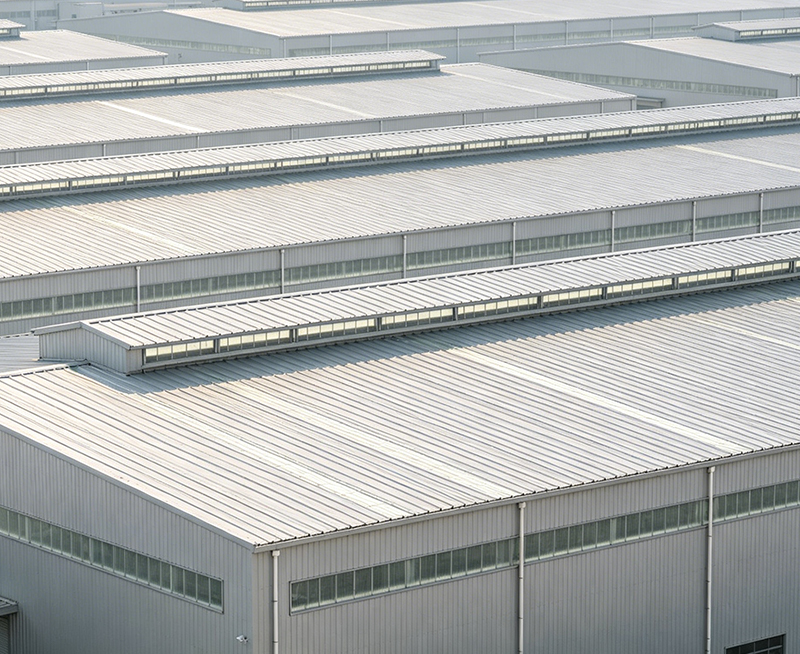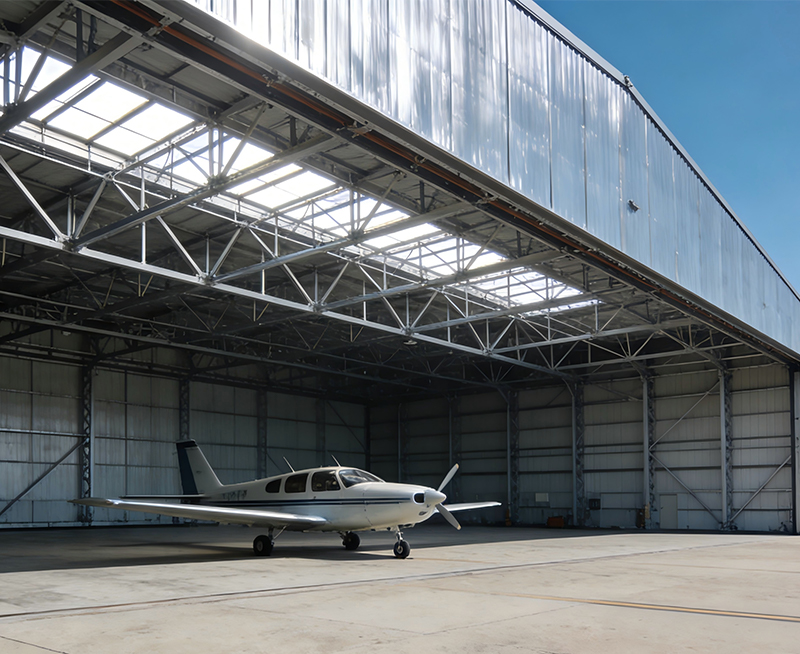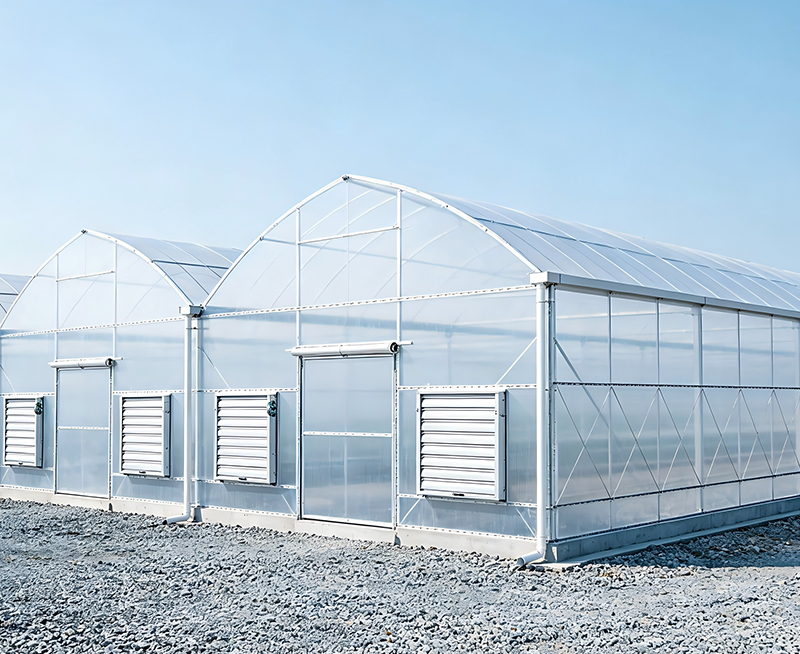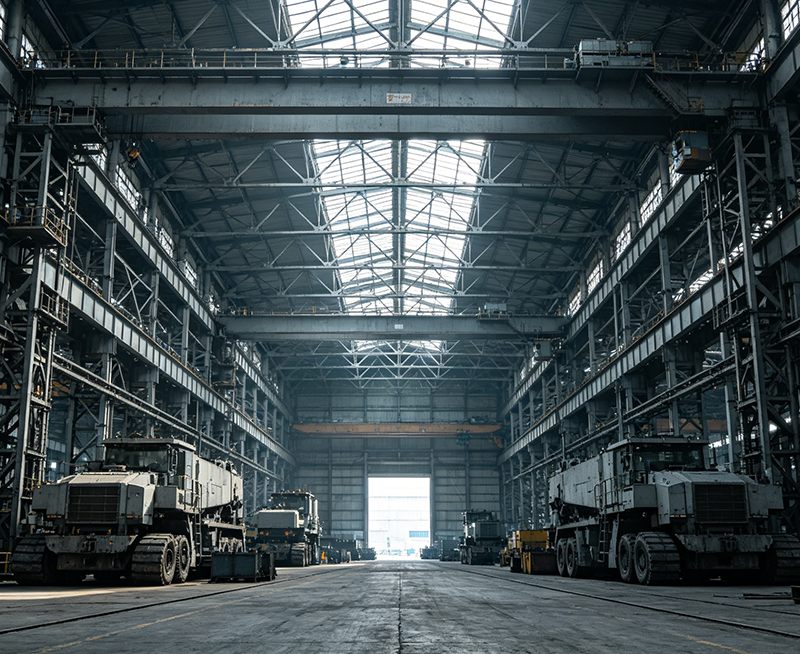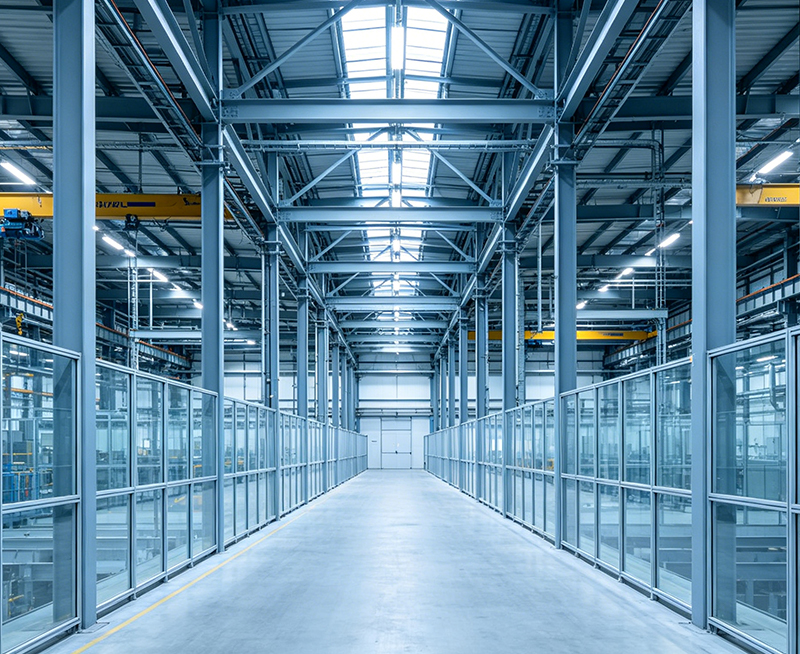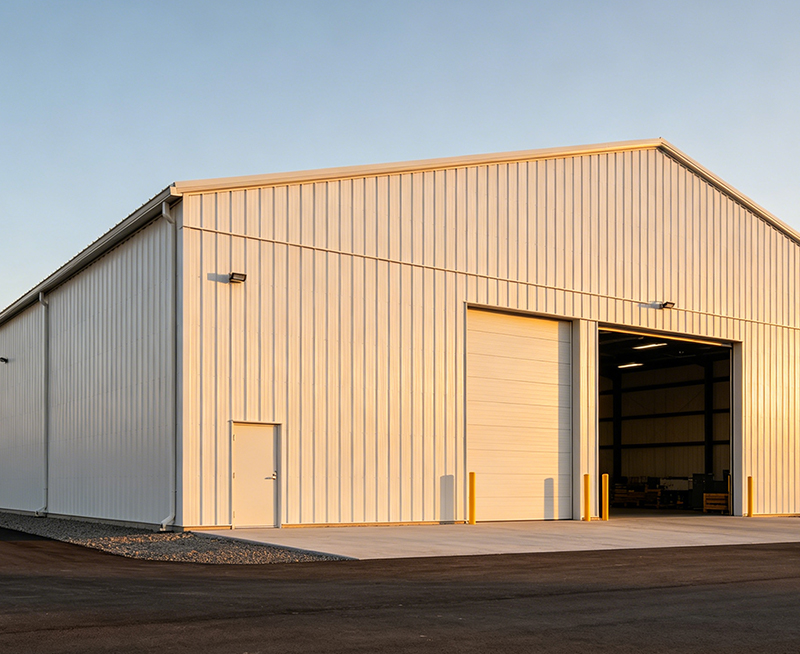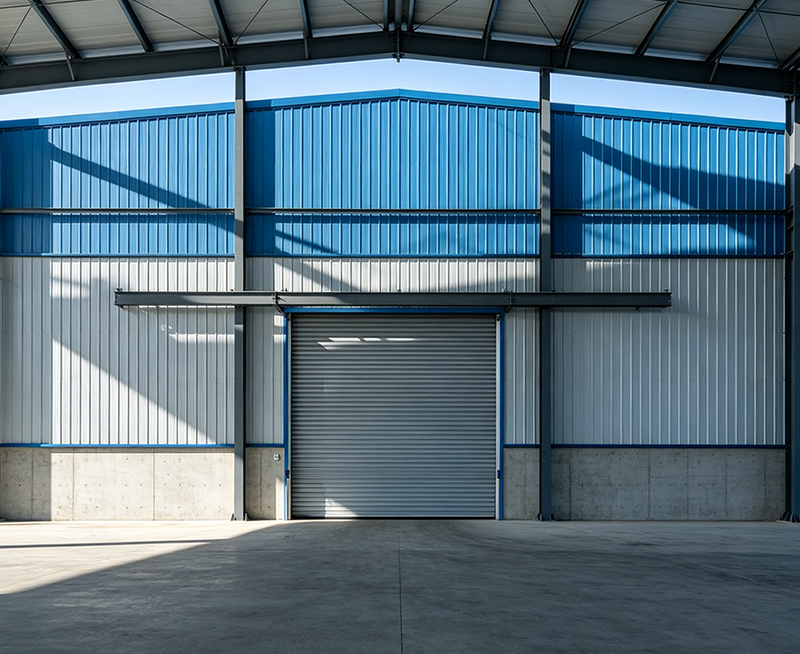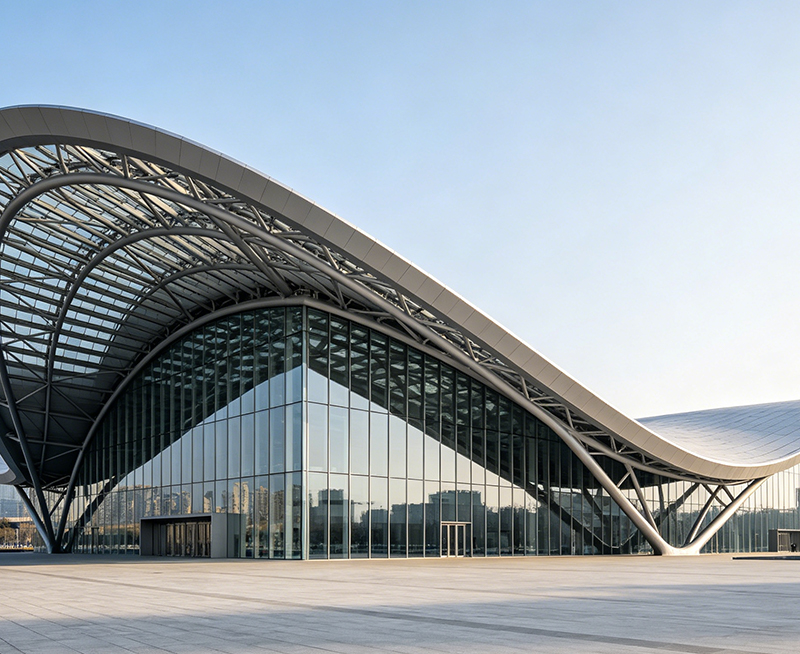


In today's fast-paced construction market, the demand for Commercial Steel Buildings For Sale continues to rise. With businesses seeking durable and cost-effective structures, understanding the significance of these buildings has never been more critical. Steel construction boasts impressive benefits such as enhanced strength, reduced construction time, and adaptation to various designs, meeting the diverse needs of modern enterprises. For those exploring options, understanding what to look for in commercial steel buildings—alongside accessibility standards—is essential to making an informed decision.
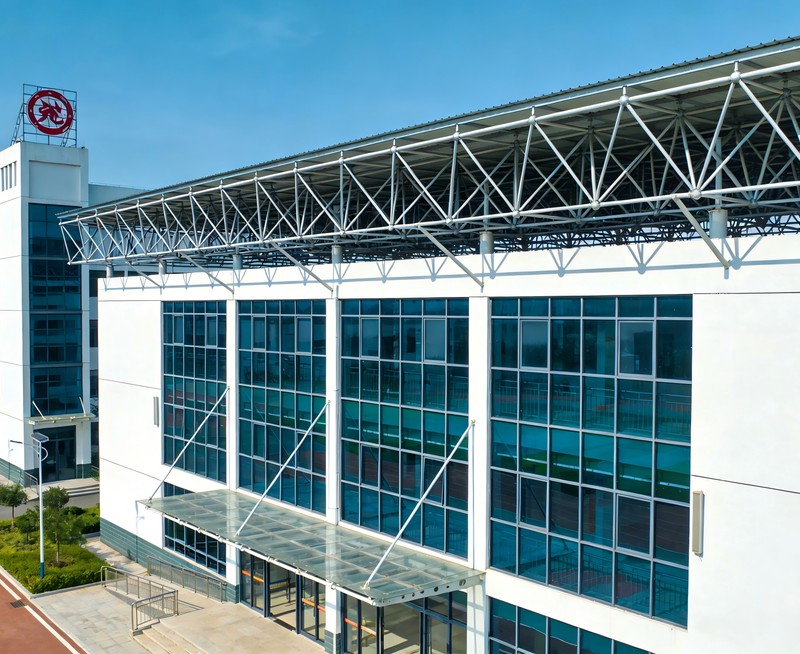
Commercial steel buildings are pre-engineered structures made primarily from steel, designed for commercial and industrial purposes. These buildings typically feature a frame of steel columns and beams, covered with steel walls and roofs, allowing for strength and durability.
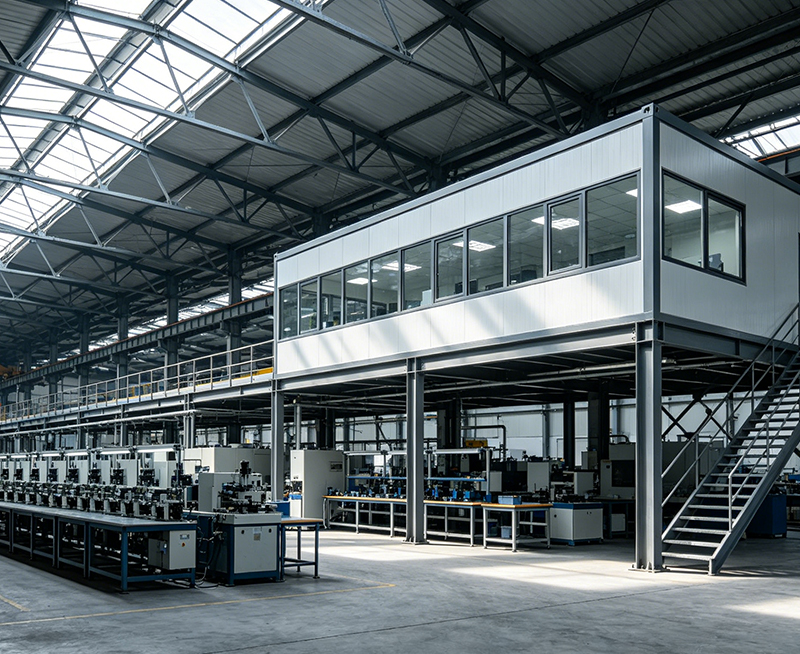
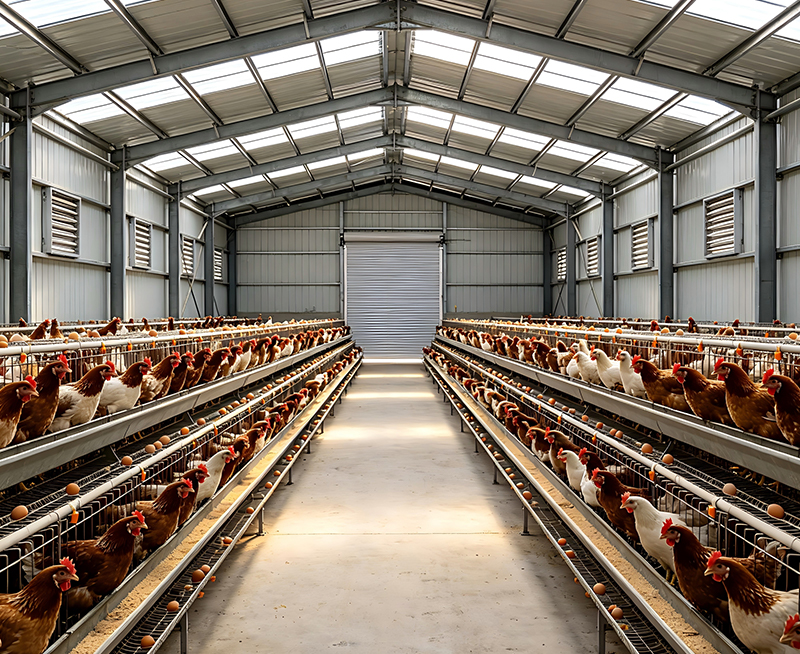
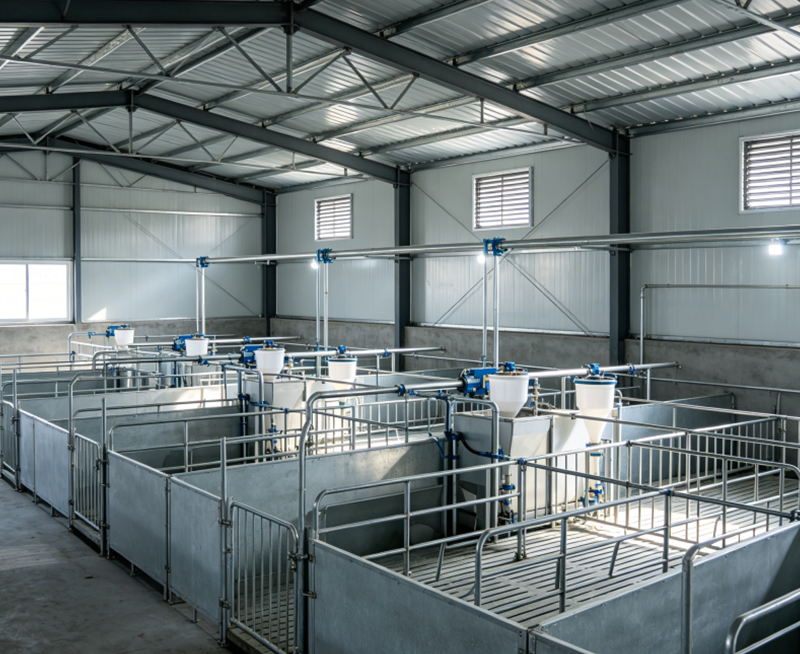
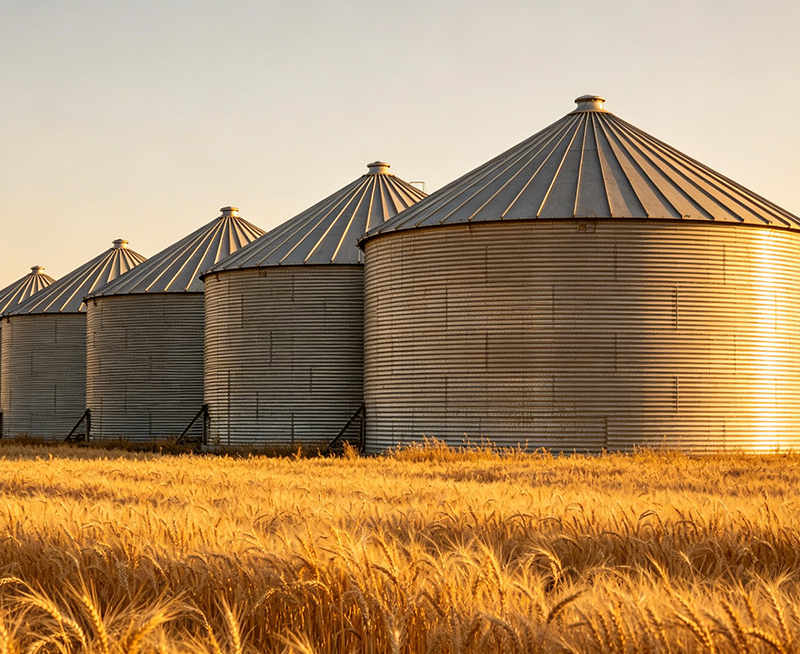
Commercial steel buildings are versatile and can be used in various sectors, including:
The inherent strength of steel structures allows these buildings to withstand extreme weather conditions, making them suitable for practically any geographical location.
The importance of commercial steel buildings stems from several significant advantages, such as:
Understanding these advantages can help businesses choose the right structure that meets their operational needs.
For those interested in investing in commercial steel buildings, it’s crucial to understand accessibility standards that must be met. The Americans with Disabilities Act (ADA) outlines these standards to ensure buildings are accessible to individuals with disabilities. For more detailed guidance on compliance and practical implementations, refer to user guides provided by trusted companies like Jin'an Group.
Commercial steel buildings are cost-effective, durable, customizable, and energy-efficient.
Construction times can vary, but many projects can be completed in as little as 3-6 months, significantly faster than traditional construction methods.
Yes, commercial steel buildings can be customized in various dimensions and designs to meet specific operational needs.
Businesses in retail, logistics, manufacturing, and agriculture frequently use steel buildings due to their versatility and strength.
In conclusion, understanding commercial steel buildings for sale is essential for any business looking to maximize its operational efficiency while also ensuring compliance with standards. Explore options with trusted providers like Jin'an Group to find the ideal building solution for your needs.
For further understanding or to schedule a trial consultation, reach out to companies specializing in commercial steel structures today. Implementing these solutions will position your business for growth and stability in a rapidly evolving marketplace.
منتجات ذات صلة