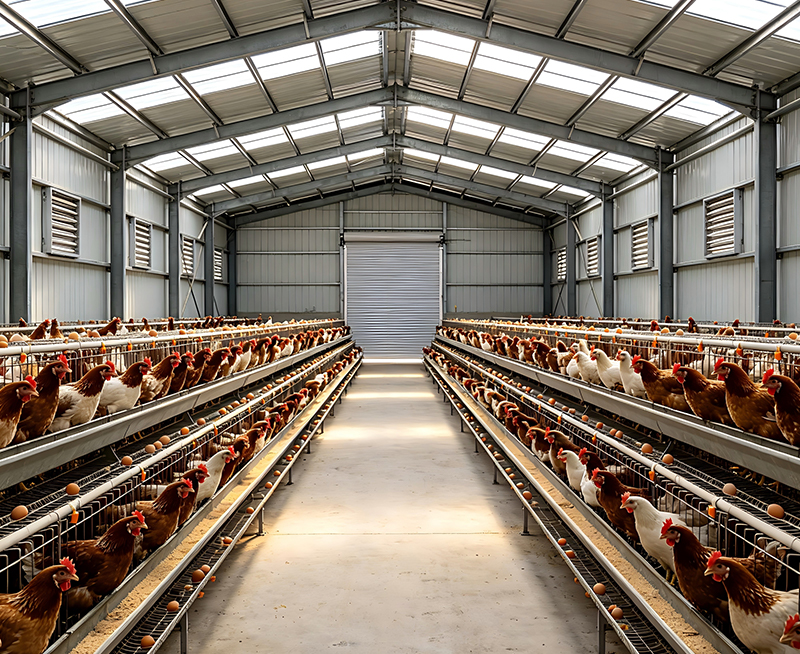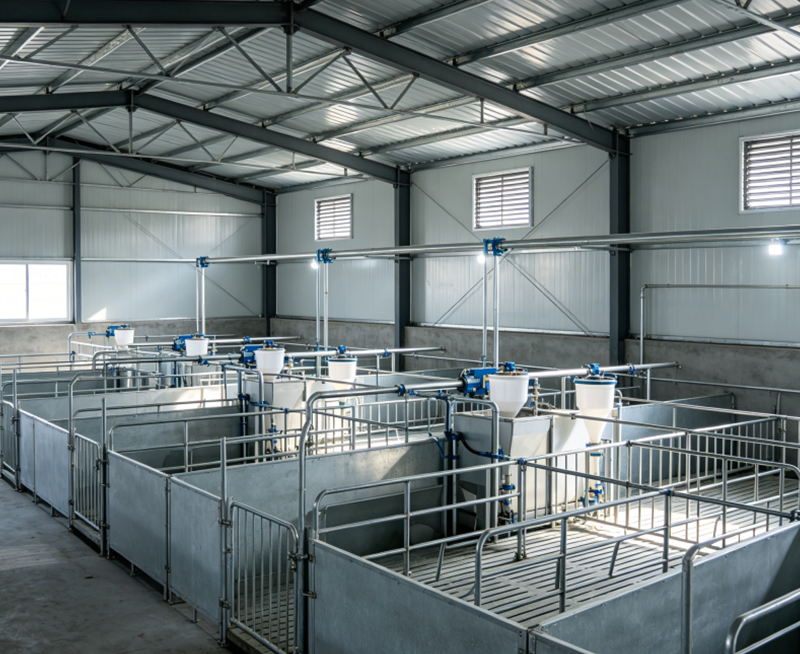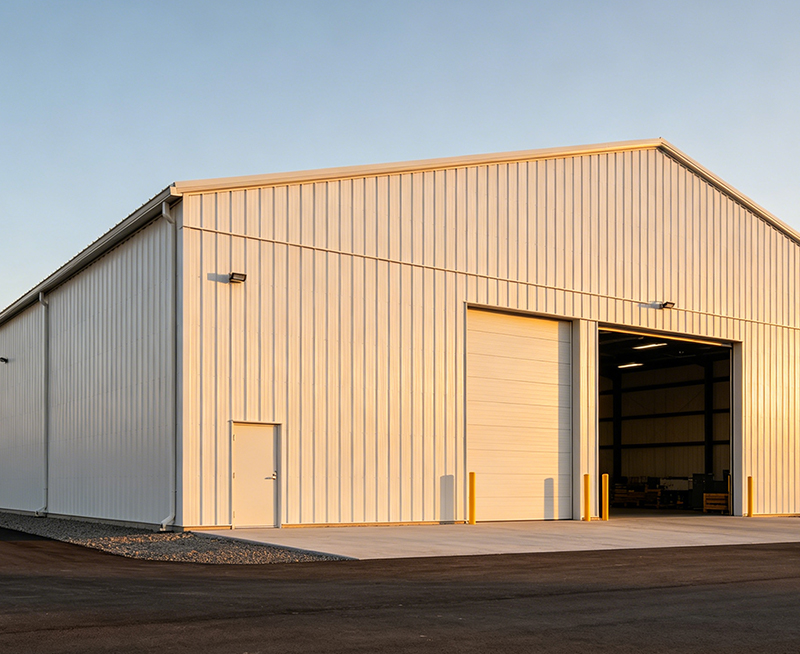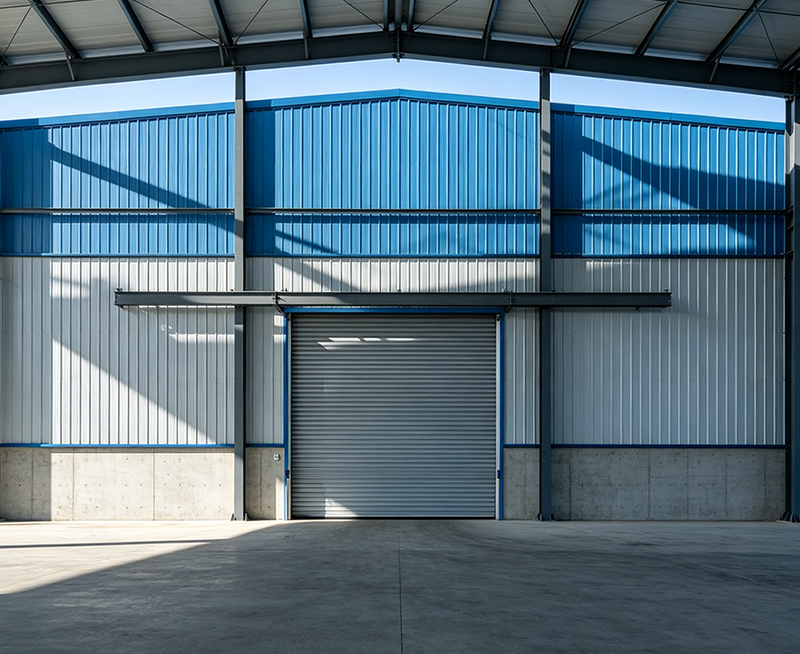


Maintaining steel farm buildings in high humidity climates can be a daunting task, but by following a series of clear and actionable steps, you can protect your structures and ensure their longevity. With the right approach, I can help you navigate the challenges that moisture presents, while improving the durability and functionality of your Livestock Steel Structure Buildings. Here’s how to implement a practical maintenance routine that safeguards your investment and enhances operational efficiency.
High humidity can lead to various issues such as corrosion, mold growth, and structural instability. For instance, moisture can penetrate into metal joints leading to rust, while condensation can cause mold to thrive internally. These problems can be costly and disruptive. However, with consistent maintenance, you can mitigate these effects.
Here's a step-by-step guide to help you maintain your buildings effectively:
It is essential to carry out comprehensive inspections at least quarterly and after severe weather events. During these inspections, I recommend checking for:
Applying protective coatings is vital to preventing moisture-related damage. Here’s how I approach this:
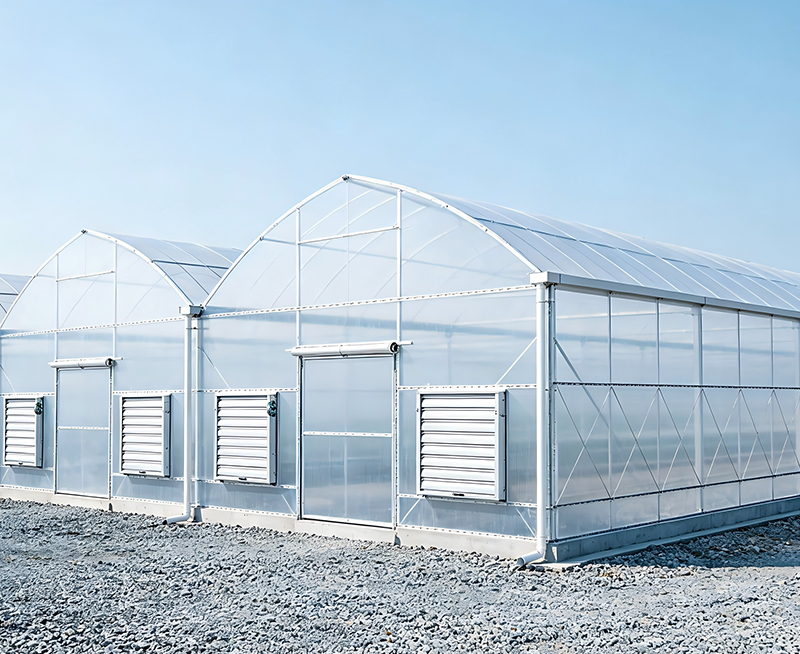
Proper ventilation significantly reduces humidity levels within your steel farm buildings. Implement these strategies:
Keeping tabs on indoor humidity is a game-changer. Here's what I do:
While implementing these maintenance steps, you may encounter challenges such as inconsistent humidity levels and unexpected weather changes. To overcome these:
Utilizing the right tools can streamline your maintenance efforts:
By following this structured approach, you can significantly enhance the durability and functionality of your Livestock Steel Structure Buildings in high humidity climates. The proactive measures not only protect your investments but also minimize operational disruptions, allowing your agricultural business to thrive. The time to take action is now, and with these strategies, you're well on your way to maintaining a resilient steel farm structure in any climate. For more detailed resources, visit Jin'an Group.



منتجات ذات صلة