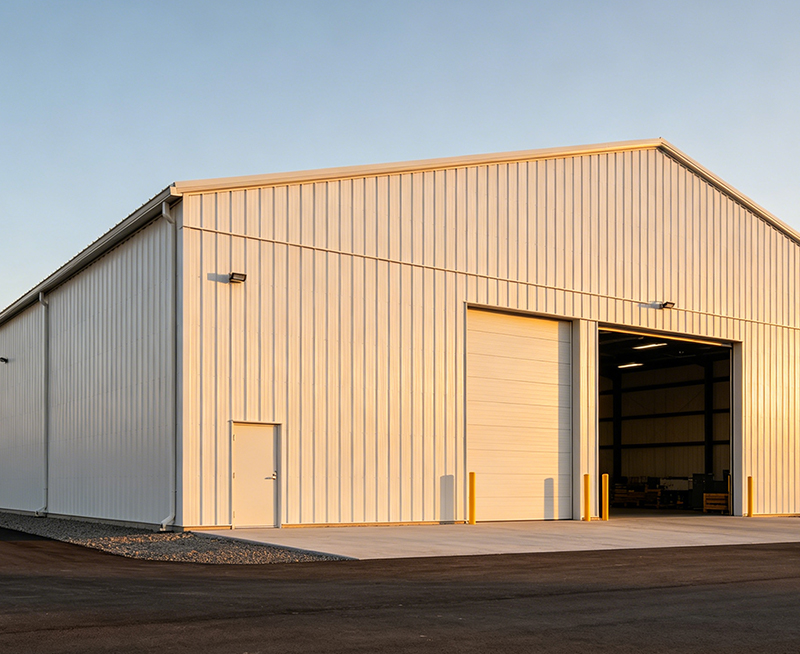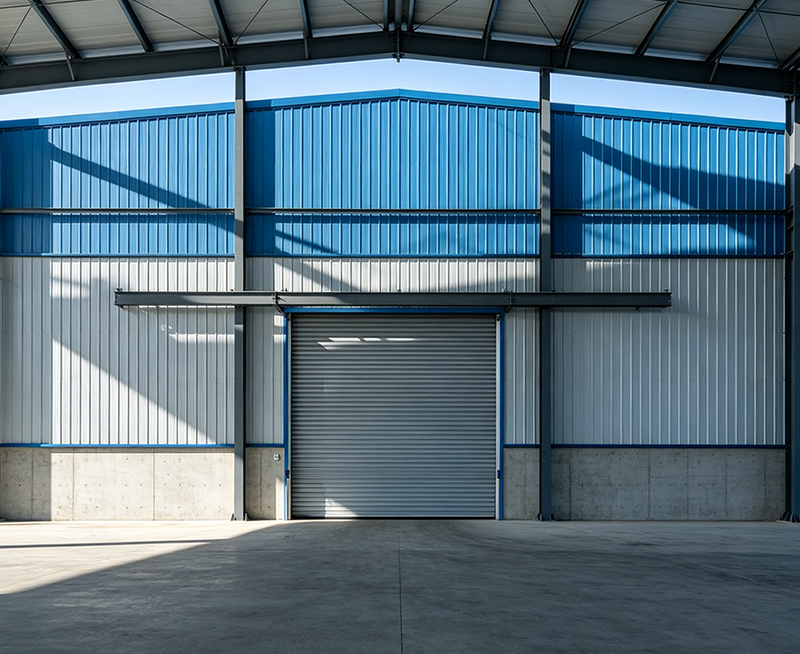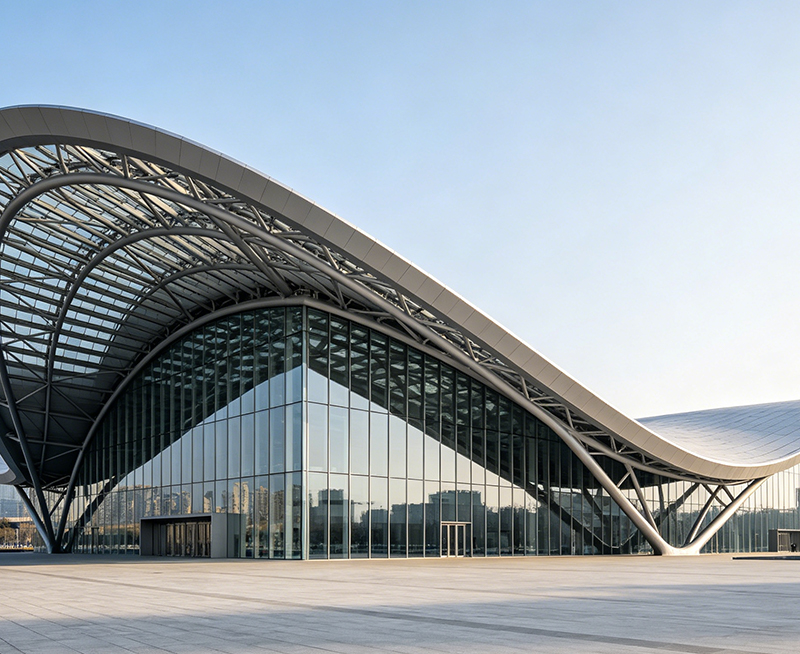


When designing a museum, achieving a perfect balance between aesthetics and structural load can feel like a daunting task. However, with the right approach, it becomes an achievable goal. In this article, I’ll provide you with clear, actionable steps that will not only simplify the process but also enhance the overall outcome. By the end, you’ll have a comprehensive understanding of how to leverage steel structures for museums while ensuring functionality and design seamlessly merge.
Balancing aesthetics with structural integrity is crucial, especially in imposing structures like museum buildings. Steel is often chosen for its versatility, allowing architects to push the boundaries of design without sacrificing strength. Here’s how we can tackle this design challenge:
Understanding Load Requirements
Each museum has distinct requirements based on its size, location, and the materials it will showcase. Determine the structural load specifications by consulting the ASTM A36 standard and conducting load-bearing calculations to meet local building codes.
Design Conceptualization
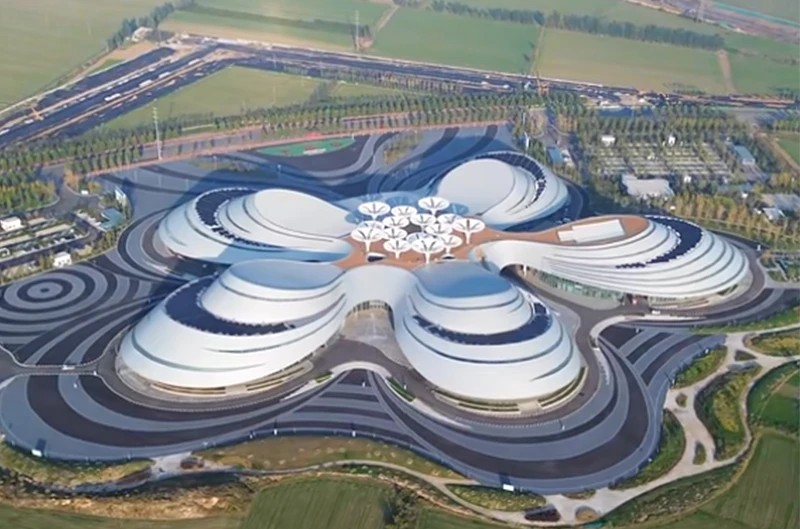
Collaborate with architects to create an aesthetically pleasing design. Use 3D modeling software like AutoCAD or Revit to visualize how aesthetic elements, such as curvilinear forms or expansive facades, can be integrated with structural supports.
Material Selection and Analysis
Select high-quality materials from reputable suppliers like Jin’an Group, which specializes in innovative steel structures. For example, using high-strength steel with a yield strength of over 350 MPa allows for slender design elements, merging aesthetics with load requirements.
Structural Simulation
Employ engineering software like SAP2000 to simulate structural loads and assess the performance of the design. This simulation helps identify potential weaknesses and allows for modifications without compromising visual appeal.
Prototype Testing
Create physical prototypes or parts of the design using mock-ups. Follow DIN 15018 standards for testing structural integrity, allowing designers to visualize the final product before full-scale implementation.
Finalizing the Construction Plan
Once the design meets aesthetic and functional requirements, develop a detailed construction plan that prioritizes expert craftsmanship. Engage experienced contractors who specialize in steel construction for optimal results.
Successfully balancing aesthetics and structural load in a steel museum building can lead to significant business benefits. Enhanced visitor experiences and increased engagement with exhibits often lead to higher attendance and, ultimately, greater revenue. Additionally, reducing construction material costs by 15% through efficient design and material selection can enhance your project's financial viability.
While the journey may seem straightforward, challenges can arise:
Rigidity in Design
Overcoming preconceived notions of what museum designs should look like can be tricky. I recommend focusing on educational outreach, sharing case studies of successful designs that broke the mold while maintaining integrity.
Cost Overruns
Managing design changes can lead to unexpected costs. Set a contingency budget of about 10-20% of your total project cost to accommodate unforeseen expenses.
Regulatory Compliance
Building codes can vary widely. Regular consultation with local building authorities ensures that designs are compliant, avoiding costly delays.
To improve execution efficiency, consider using the following resources:
By following these steps, you can embark on the journey to create stunning steel museum buildings that not only capture the eye but withstand the tests of time and load. Embrace innovation, engage with communities, and let your museum become a landmark of engineering mastery. Act now and witness the transformative power of combining aesthetics with steel structure integrity. For more information and resources, visit //www.jasteelstructure.com/storage/watermark/f_imgs/20260508/379d25d8998893813b0287db837b5510.jpg.
Let's redefine how steel museum buildings balance aesthetics and structural load!
منتجات ذات صلة