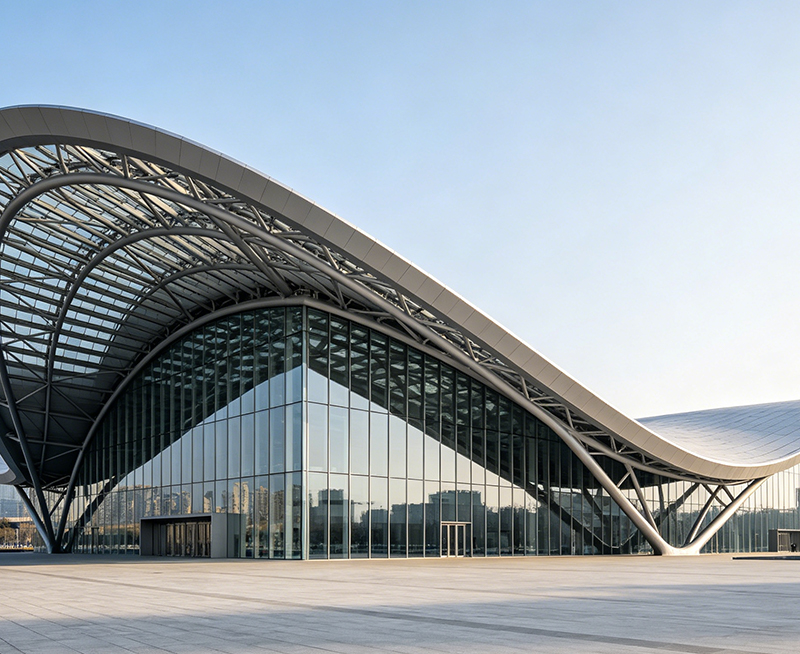


Creating a padel court that meets both indoor and outdoor specifications can seem daunting. However, with the right approach, you can design a steel frame padel court that not only enhances the player experience but also ensures durability and compliance with industry standards. In this guide, I will provide actionable steps to help you understand how to effectively design and implement these courts while addressing common challenges along the way.
When embarking on the journey to build a steel frame padel court, it's crucial to recognize the importance of precision and compliance. A well-designed structure can significantly improve the court's usability and longevity. I recommend starting with a clear blueprint that adheres to approved standards such as ASTM for materials and DIM standards for structural integrity.
1. Assess Your Location:
2. Select High-Quality Materials:
3. Focus on Structural Integrity:
4. Plan Your Court Layout:
5. Optimize for Drainage and Lighting:
There are several potential roadblocks during the design and execution phases:
Overcoming these challenges often comes down to thorough upfront planning and quality materials. Tools such as CAD software can help visualize the court design before construction begins, ensuring you've accounted for all factors.
To boost your project’s efficiency, I suggest using:
In summary, the successful design of steel frame padel courts—whether for indoor or outdoor use—requires careful consideration of material quality, adherence to safety standards, and proactive planning. By following the outlined steps, leveraging appropriate resources, and maintaining flexibility throughout the process, you can create a top-tier facility that meets the needs of players and enhances the overall sporting experience.
Don’t wait to take action! Start planning your project now with Jin'an Group to ensure your steel frame padel court is both a sporting haven and a robust structure. Remember, your investment in quality now will yield long-term benefits in player satisfaction and facility longevity. For more insights and resources, check out Jin'an Group.




منتجات ذات صلة