

When considering the construction of a padel court, one critical aspect that often poses challenges is how to manage wind uplift, especially on open sides. At Jin'an Group, we understand these concerns and offer clear, actionable steps to ensure your padel court is both stable and secure against the forces of nature. Our structured approach guarantees efficiency and reliability, enabling you to enjoy the full experience of your padel court without worrying about structural integrity.
To tackle wind uplift effectively, here are the steps I recommend:
Assess Wind Load Requirements: Start by calculating the wind load according to local codes and standards such as ASCE 7 or Eurocodes, as these govern the design and construction practices for your facility. We must understand the anticipated wind speeds in your area and factor in the open sides of your structure.
Choose Quality Materials: Selecting high-quality steel from reputable suppliers like Jin’an Group is paramount. Our products undergo rigorous testing against ASTM standards, offering reliability and strength.
Proper Structural Design: Design with wind uplift mitigation in mind. Incorporate features such as:
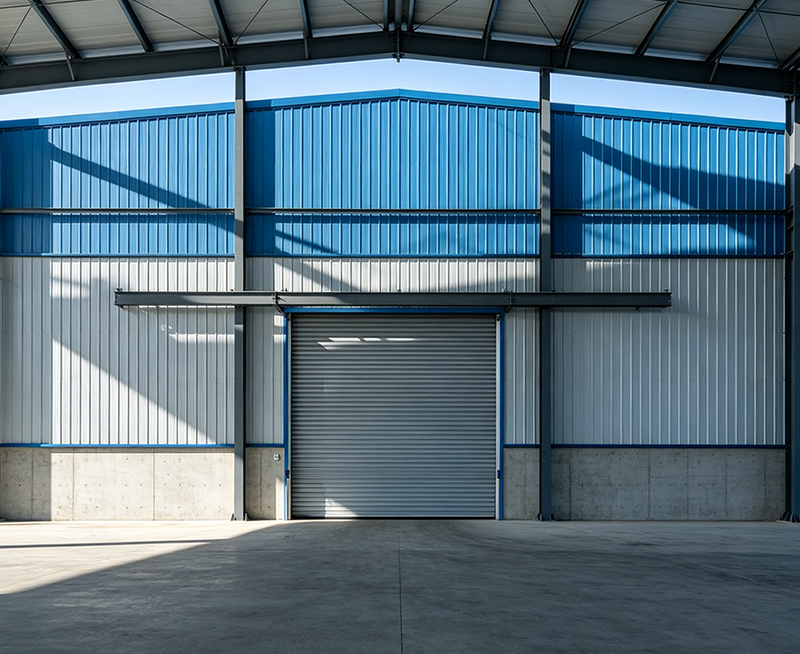
Install Bracing Systems: Integrate diagonal or cross-bracing within the steel structure. This system enhances stability and deflects potential uplift forces.
Conduct a Full Inspection: Post-construction, conduct a thorough safety inspection with a structural engineer to ensure compliance with the design standards. At Jin'an Group, we offer a 100% inspection guarantee to ensure all installations meet the required specifications.
Regular Maintenance: I cannot stress enough the importance of routine inspections of the padel court. Look out for wear and tear on anchors or braces. Address any issues immediately to maintain the integrity against wind uplift.
Now let's briefly consider the challenges you might encounter. One common hurdle is ensuring your construction meets compliance with local regulations. To counter this, I recommend engaging an experienced contractor familiar with the local code requirements.
Additionally, you may face difficulties with material sourcing. Partnering with a trustworthy supplier like Jin'an Group simplifies this process since our steel buildings are designed specifically for wind uplift considerations.
For enhanced execution efficiency, utilize software tools like Autodesk or SketchUp to visualize your design and assess any potential issues before construction.
To wrap things up, here’s a quick review of crucial steps to combat wind uplift on your padel court:
Taking these steps will empower you to create a padel court that stands firm against the elements while providing a safe space for play. I encourage you to take action today and explore how Jin'an Group can help you in building your resilient padel court. For more information, visit our website at Jin'an Group. Together, let’s create a secure playing environment that will withstand the challenges of wind uplift effectively.





منتجات ذات صلة