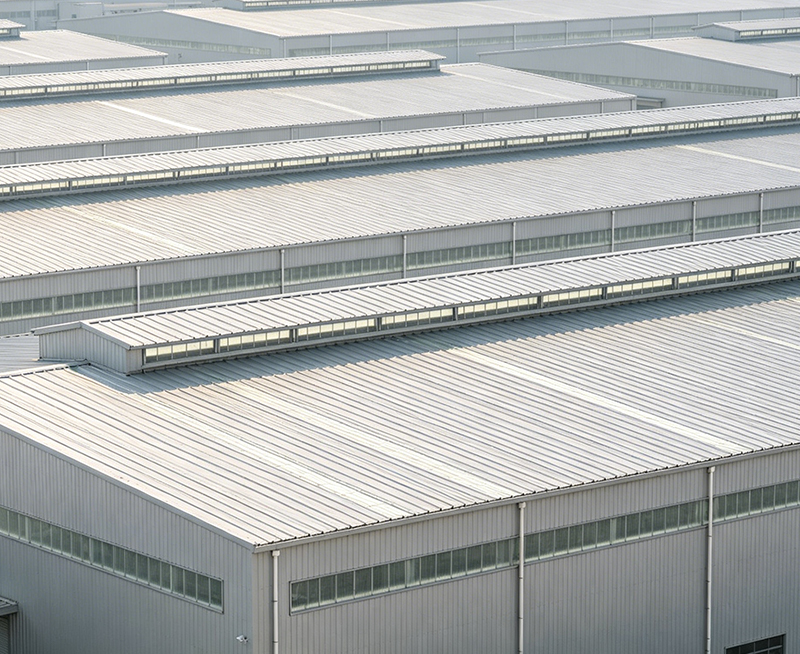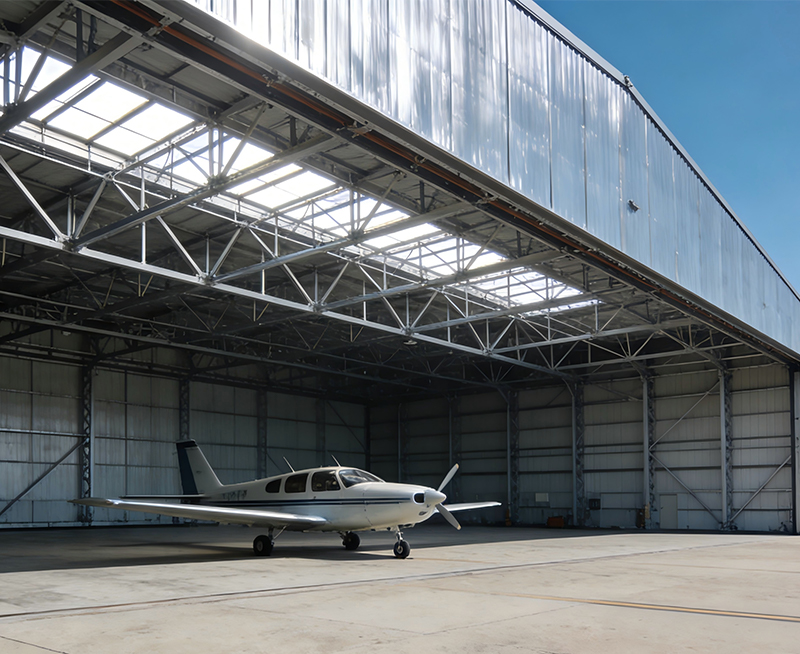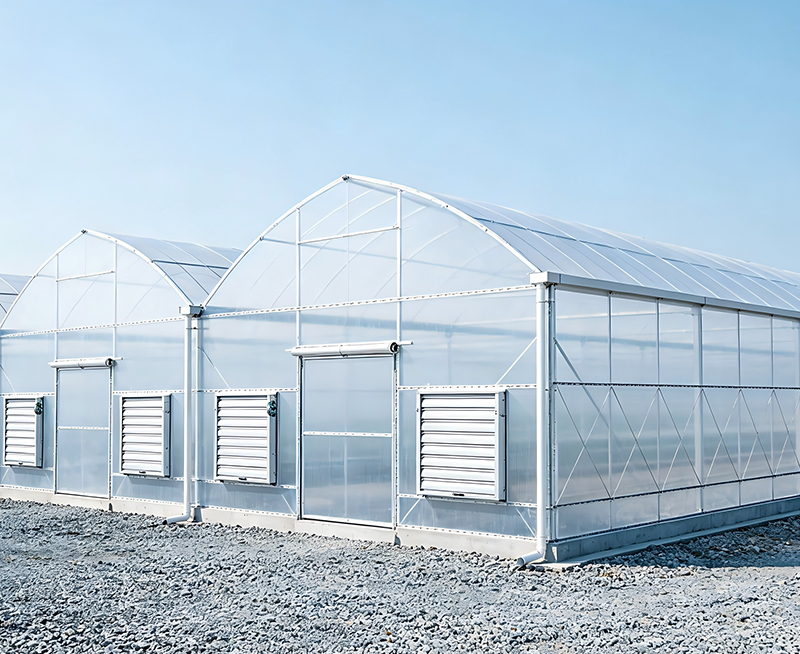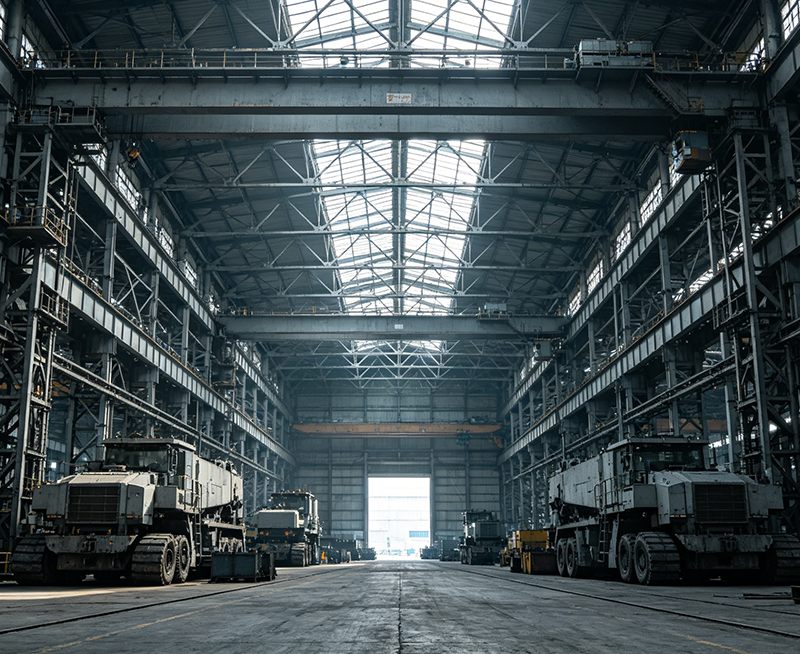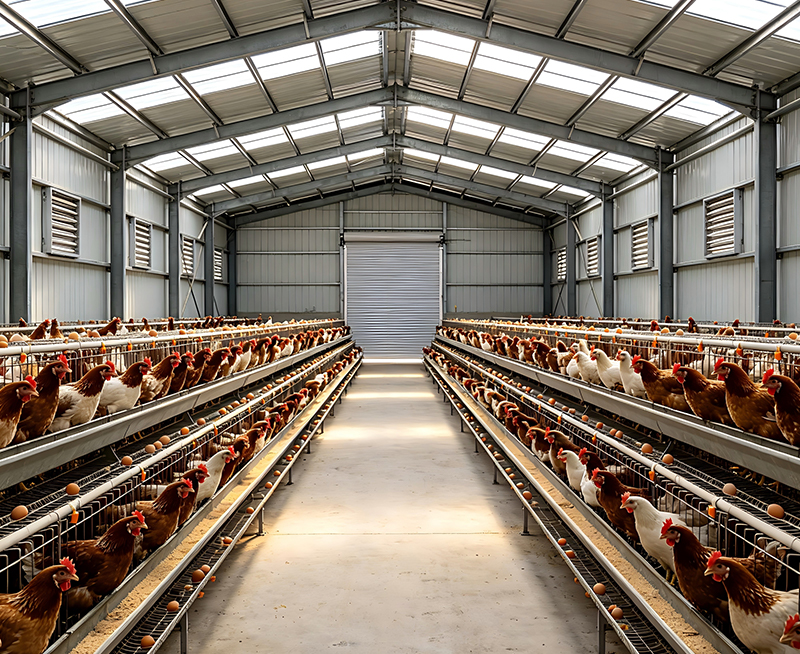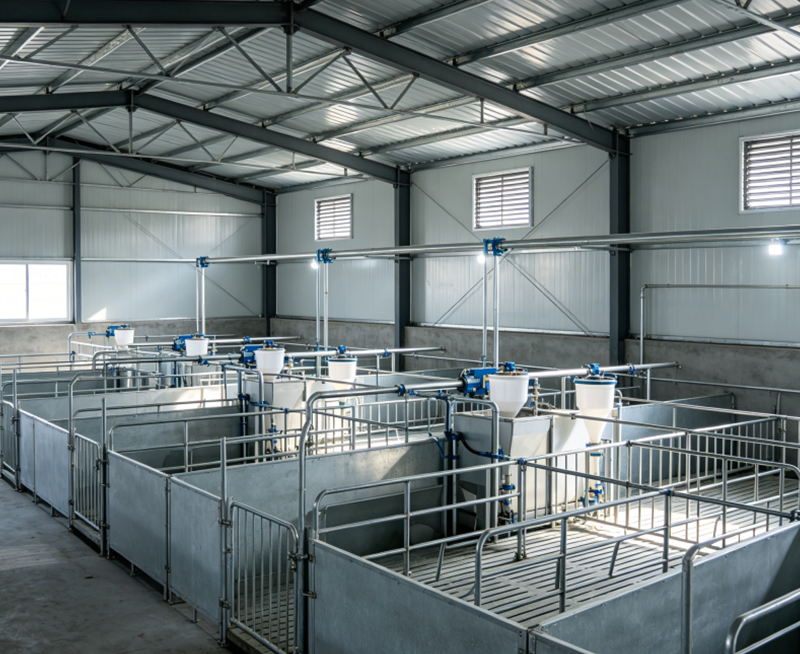


Natural ventilation is essential in Livestock Steel Structure Buildings as it helps to maintain optimal airflow, reducing heat stress and preventing the buildup of harmful gases. This process is vital for the health and productivity of the animals.
Understanding the specific airflow requirements for the type of livestock being housed is crucial. Different animals have varying needs based on their size, breed, and market weight.
Site assessment should include wind direction, building orientation, and surrounding landscaping elements that could impact airflow. This analysis will help determine the best structure placement.
Choose between passive ventilation (using natural forces like wind and thermal buoyancy) and hybrid systems. Understanding both systems will help you select the appropriate configuration.
Utilize guidelines to calculate the necessary airflow rate. The general rule is to ensure 4-5 air changes per hour but adapt this to specific livestock needs.
Design side inlets and ridge outlets to promote cross-ventilation. Ensure they are appropriately sized based on calculated airflow rates.
Include adjustable vent openings that allow farmers to control airflow based on changing weather conditions. This flexibility is crucial for maintaining ideal conditions.
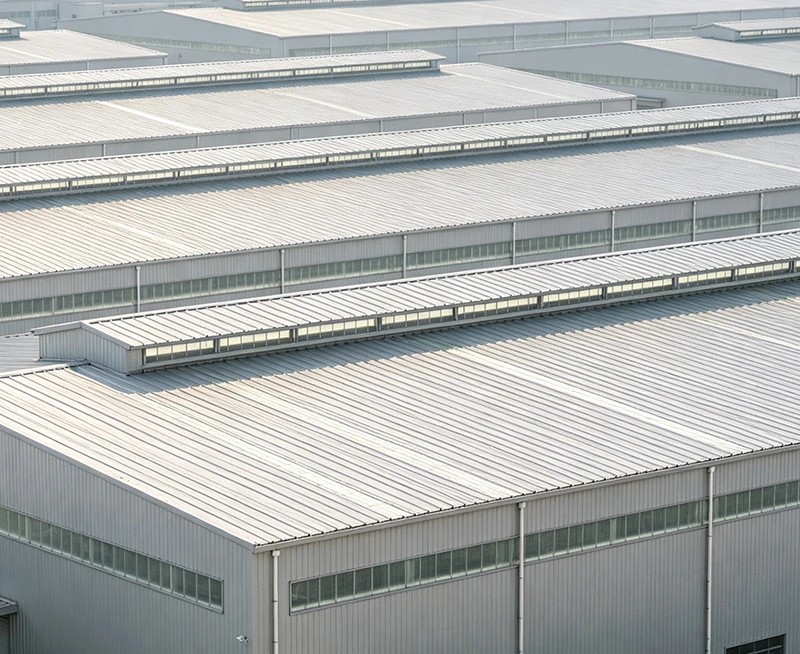
Choose materials that promote durability and efficiency. Steel is excellent due to its strength, longevity, and resistance to corrosion.
Routine inspections and maintenance are vital. Regularly check for blockages in vents, integrity of structure, and functionality of mechanical systems if used.
Incorporating natural ventilation into livestock steel structure buildings is a multifaceted process that significantly benefits animal welfare and farm productivity. By following the detailed steps outlined—understanding livestock needs, evaluating site conditions, selecting proper ventilation types, and recognizing common mistakes—you can create an effective and sustainable environment. Trust in our experience at Jin'an Group for your livestock building solutions.
For more information on livestock steel structure buildings, visit here.

منتجات ذات صلة