

Choosing the right steel finish is one of the most important decisions when planning Livestock Steel Structure Buildings. The exterior coating affects corrosion resistance, maintenance frequency, heat control, service life, appearance, and the long term cost of protecting animals and equipment.
Galvanized steel and painted steel are not interchangeable choices. Galvanized steel uses a zinc coating to protect the underlying steel, while painted steel depends on a layered paint system to block moisture and aggressive substances. The best option depends on the livestock type, local climate, ventilation design, manure exposure, budget, maintenance access, and expected service life.
This comparison focuses on the practical questions that purchasing managers, farm owners, contractors, and agricultural investors usually ask before ordering a livestock building.

Galvanized steel is coated with zinc, usually through hot dip galvanizing or continuous galvanizing. The zinc layer forms a physical barrier between the steel and the environment. It also provides sacrificial protection if a small area is scratched or cut.
Painted steel is protected by one or more layers of primer, intermediate coating, and topcoat. The paint blocks water, oxygen, salts, chemicals, and other contaminants from reaching the steel.
It is important to distinguish painted steel from prepainted galvanized steel. Many high quality roofing and wall panels are made from galvanized or zinc coated steel and then covered with a factory applied paint layer. This combination provides both zinc protection and color retention, but it still requires careful treatment at cut edges, fastener holes, and damaged areas.
| Parameter | Galvanized steel | Painted steel | Practical meaning for livestock buildings |
|---|---|---|---|
| Primary protection | Zinc coating with sacrificial protection | Primer and paint barrier | Galvanized steel is more forgiving when minor scratches occur. |
| Typical appearance | Silver, metallic, or spangled surface | Wide range of colors and gloss levels | Painted steel offers greater control over architectural appearance. |
| Scratch tolerance | Generally better for minor mechanical damage | Damage can expose steel and require prompt repair | High traffic areas usually need extra protection regardless of finish. |
| Corrosion performance | Strong in ordinary rural and industrial atmospheres | Strong when the coating system matches the environment | Ventilation and manure control are as important as the finish. |
| Color stability | Color choice is limited | Color and gloss can be selected | Painted panels are useful when the building must match a farm brand or site plan. |
| Maintenance | Usually low, with inspection and touch-up at damaged areas | Requires inspection, cleaning, and periodic touch-up or repainting | Maintenance access should be included in the design. |
| Initial cost | Often competitive, depending on zinc thickness and fabrication | Varies with paint system, color, and coating specification | The cheapest finish is not always the lowest life cycle cost. |
| Heat behavior | Reflective unpainted surfaces may reduce solar absorption | Light colors can reflect heat, while dark colors absorb more solar energy | Roof color, insulation, and ventilation have a major combined effect. |
| Repair method | Zinc rich repair coating or compatible touch-up system | Cleaning, priming, and repainting are usually required | Repair procedures should be written into the maintenance plan. |
| Expected service life | Depends on zinc mass, environment, drainage, and maintenance | Depends on coating quality, exposure, preparation, and maintenance | No finish has a fixed life without environmental and design information. |
| Battery life | The building itself has no battery and does not consume battery power | The building itself has no battery and does not consume battery power | For sensor or backup systems, temperature and corrosion control can affect battery replacement intervals. |
| Best fit | Utility barns, humid areas, high contact zones, and low maintenance projects | Visible buildings, branded farms, moderate environments, and color controlled projects |
The word galvanized does not identify one universal level of protection. Buyers should request the actual zinc coating designation, coating mass, or coating thickness from the manufacturer. They should also confirm whether the steel is continuously galvanized sheet, hot dip galvanized fabricated steel, or a zinc coated panel with an additional paint layer.
A paint color alone does not describe corrosion performance. A reliable specification should identify the substrate, pretreatment, primer, topcoat, total dry film thickness, color, gloss, warranty conditions, and repair procedure.
Livestock buildings produce moisture through animal respiration, manure, drinking systems, washing, and temperature differences. If warm humid air contacts a cold roof or wall, condensation can form. Repeated wetting can accelerate corrosion beneath dirt, dust, manure deposits, and insulation gaps.
Galvanized steel generally provides more tolerance when condensation causes occasional wetting. Painted steel can also perform well, but defects in the coating must be identified and repaired before moisture reaches the substrate.
Ammonia is a major concern in poultry houses, pig barns, and poorly ventilated animal facilities. The gas itself is only one part of the problem. Moisture, dust, salts, manure deposits, and cleaning chemicals can combine to attack coatings and fasteners.
Galvanized steel is often selected for interior and exterior components because the zinc layer offers durable protection in many agricultural conditions. However, zinc is not immune to aggressive exposure. High ammonia concentration, persistent condensation, acidic deposits, and poor cleaning practices can shorten the life of any zinc coating.
Painted steel may be suitable when the paint system is specifically designed for agricultural and chemical exposure. Standard decorative paint should not be treated as an industrial corrosion system.
Forklifts, tractors, feed carts, gates, augers, hoses, and livestock movement can damage lower wall panels and door frames. Galvanized steel usually has an advantage in these areas because surrounding zinc can provide limited sacrificial protection after a small scratch.
Painted steel can remain attractive and durable, but a deep scratch should be cleaned, primed, and repaired promptly. If the damaged area is ignored, rust may expand beneath the surrounding coating and make the eventual repair larger.
Pressure washing can remove manure and dust, but excessive pressure or unsuitable chemicals can damage paint films, sealants, and protective layers. A building that is cleaned frequently needs a finish that tolerates the cleaning method and chemical concentration used on the farm.
Galvanized surfaces should be rinsed and allowed to dry after aggressive cleaning. Painted surfaces should be checked for chalking, blistering, peeling, and loss of adhesion. The maintenance plan should specify cleaning frequency, water temperature, chemical concentration, and safe pressure.
Neither galvanized steel nor painted steel has a battery life because the building envelope does not store or consume electrical energy. However, many modern farms use wireless temperature sensors, humidity monitors, animal tracking devices, automatic feeders, alarms, and backup power systems.
The finish can indirectly influence equipment reliability. A cooler, drier, and less corrosive interior environment may reduce sensor failures and battery replacement frequency. Metal walls can also affect wireless signal behavior, so sensor placement and gateway location should be tested after construction.
Galvanized steel and painted steel can have similar or very different initial prices depending on the coating level, steel thickness, manufacturing method, color, order quantity, and local supply chain. A lower quotation may omit coating specifications, repair allowances, or maintenance requirements.
Before comparing quotations, place the following items in the same cost schedule:
A painted building may have a lower initial cost but require more frequent inspection and repainting. A galvanized building may cost more in a particular market but reduce labor and downtime over many years. The difference is especially important for farms that cannot easily stop feeding, milking, ventilation, or manure handling operations.
Use a life cycle comparison that estimates:
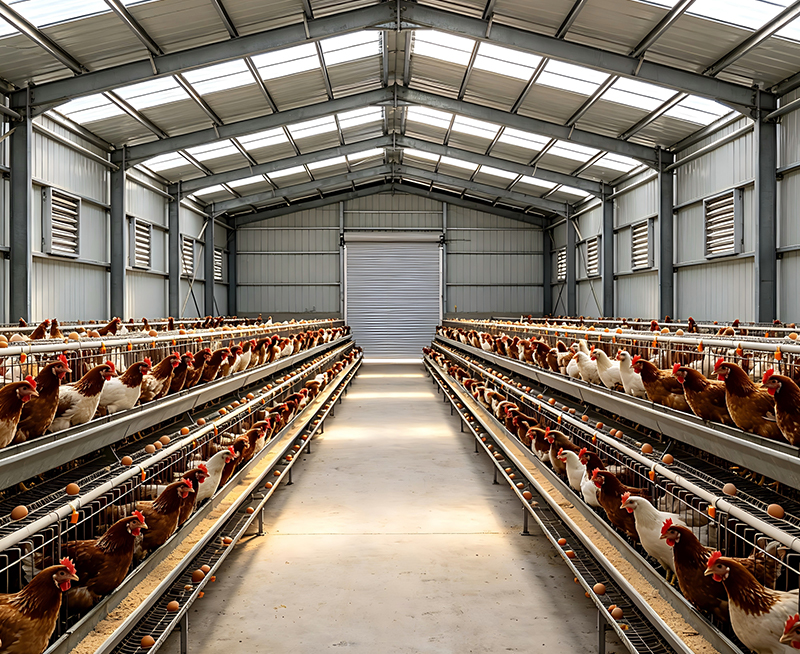
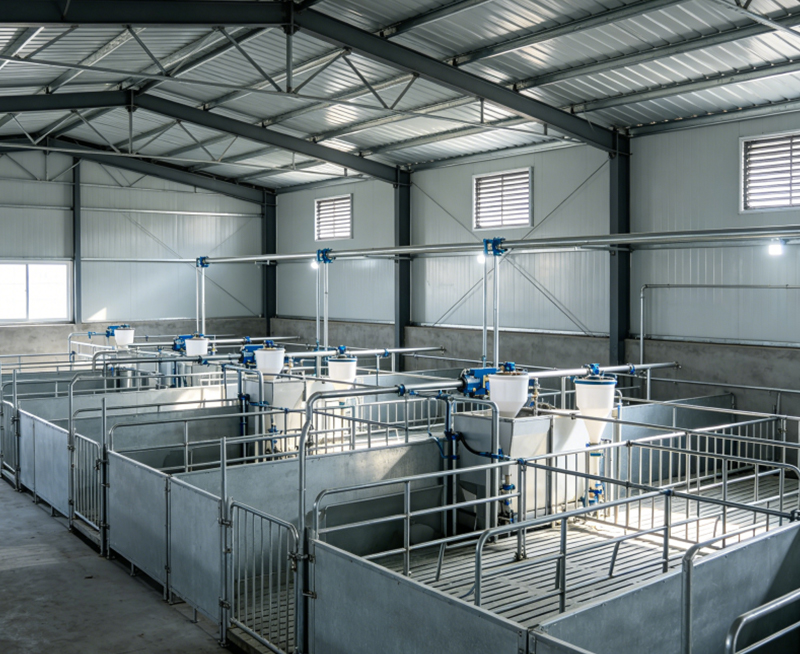
Poultry and pig facilities can combine high humidity, dust, ammonia, frequent washing, and continuous operation. Galvanized steel is often a practical choice for structural members, interior supports, trims, and areas exposed to impact.
The finish should still be supported by good ventilation, drainage, insulation, and a suitable corrosion plan. In particularly aggressive areas, use heavier zinc protection, specialized coatings, stainless or protected fasteners, and replaceable components as needed.
Painted steel is attractive when the building is close to a public road, farm office, visitor center, or residential area. It allows the owner to select a color that fits the farm identity and surrounding architecture.
Dairy buildings require special attention to washdown, moisture, and chemical exposure. A painted panel should be specified for the actual cleaning environment rather than selected only by appearance.
Many successful Livestock Steel Structure Buildings use different finishes in different locations. A galvanized frame can provide durable structural protection, while prepainted galvanized wall panels deliver color and additional surface protection.
Farm owners need a building that protects animals and equipment without creating constant repair work. They should focus on moisture control, corrosion exposure, ease of cleaning, repair access, and total ownership cost rather than choosing only by the visible surface.
Purchasing managers often receive quotations that use different descriptions for the same material. The safest approach is to require each supplier to provide the same technical information and warranty conditions.
Contractors need materials that can be cut, drilled, lifted, and installed without creating widespread coating damage. Galvanized members are practical for many structural applications, but cut and welded areas must be repaired correctly. Painted panels need careful handling to prevent scratches and edge damage during installation.
Operators experience the building every day. Their concerns include heat, condensation, odors, cleaning, slippery surfaces, sharp edges, equipment access, and repair disruption. The finish should be evaluated together with insulation, ventilation, roof overhangs, drainage, and interior layout.
A durable coating cannot compensate for poor ventilation or standing water. The most reliable building is the one in which the envelope, structure, drainage, and daily maintenance routine work together.
The supplier should be able to explain how the finish is selected for the site rather than offering one standard coating for every building. Ask for previous agricultural projects, fabrication quality controls, inspection records, installation instructions, and after-sales support.
Jin'an Group can help buyers compare frame protection, panel coating, insulation, ventilation, drainage, and maintenance requirements as one complete building system. This approach avoids selecting a visually attractive finish that is unsuitable for the actual livestock environment.
Clean the damaged surface, remove loose corrosion, dry the area, and apply a compatible repair coating according to the product instructions. Do not cover active rust, manure, oil, or moisture with a new coating.
For galvanized steel, use a compatible zinc rich repair product where the zinc coating has been removed. For painted steel, use the recommended primer and topcoat system. If a large area is blistering or peeling, a complete coating assessment is more appropriate than repeated spot painting.
Galvanized steel is generally the safer choice for structural frames, interior supports, high humidity zones, utility barns, and areas where minor impact or scratches are likely. It is particularly suitable for buyers who value practical durability over color selection.
Painted steel is a strong option for visible farm buildings, branded agricultural sites, and projects that require a coordinated architectural appearance. It performs best when the paint system is specified for livestock exposure and supported by regular inspection.
For many projects, the best answer is not one finish everywhere. A galvanized structural system with prepainted galvanized panels, protected fasteners, insulated roofing, controlled ventilation, and reinforced impact zones can balance service life, appearance, operating cost, and animal comfort.
Before approving the order, compare the complete specification, not just the material name or quoted price. The right finish for Livestock Steel Structure Buildings is the one that matches the local environment, livestock management routine, cleaning process, maintenance capability, and expected service life. With appropriate design and professional fabrication from Jin'an Group, galvanized and painted steel can both provide dependable protection when each is selected for the conditions it will actually face.
منتجات ذات صلة